If you have any definite information as to where these photographs were take – and even useful additional information to improve the captioning – I will be very pleased to hear if it. Thank you. If you have one or two images that are not worth you making available to others yourself, but you wouldn’t mind appearing on this website for that purpose, they would be welcome too – I am quite happy to credit you
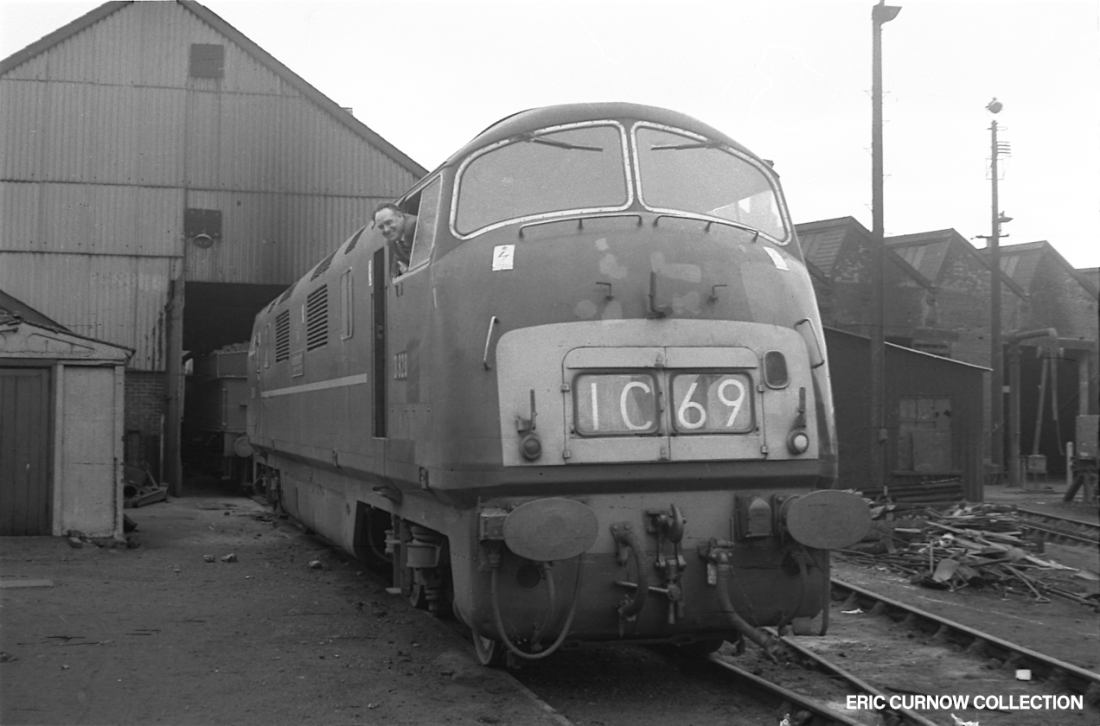
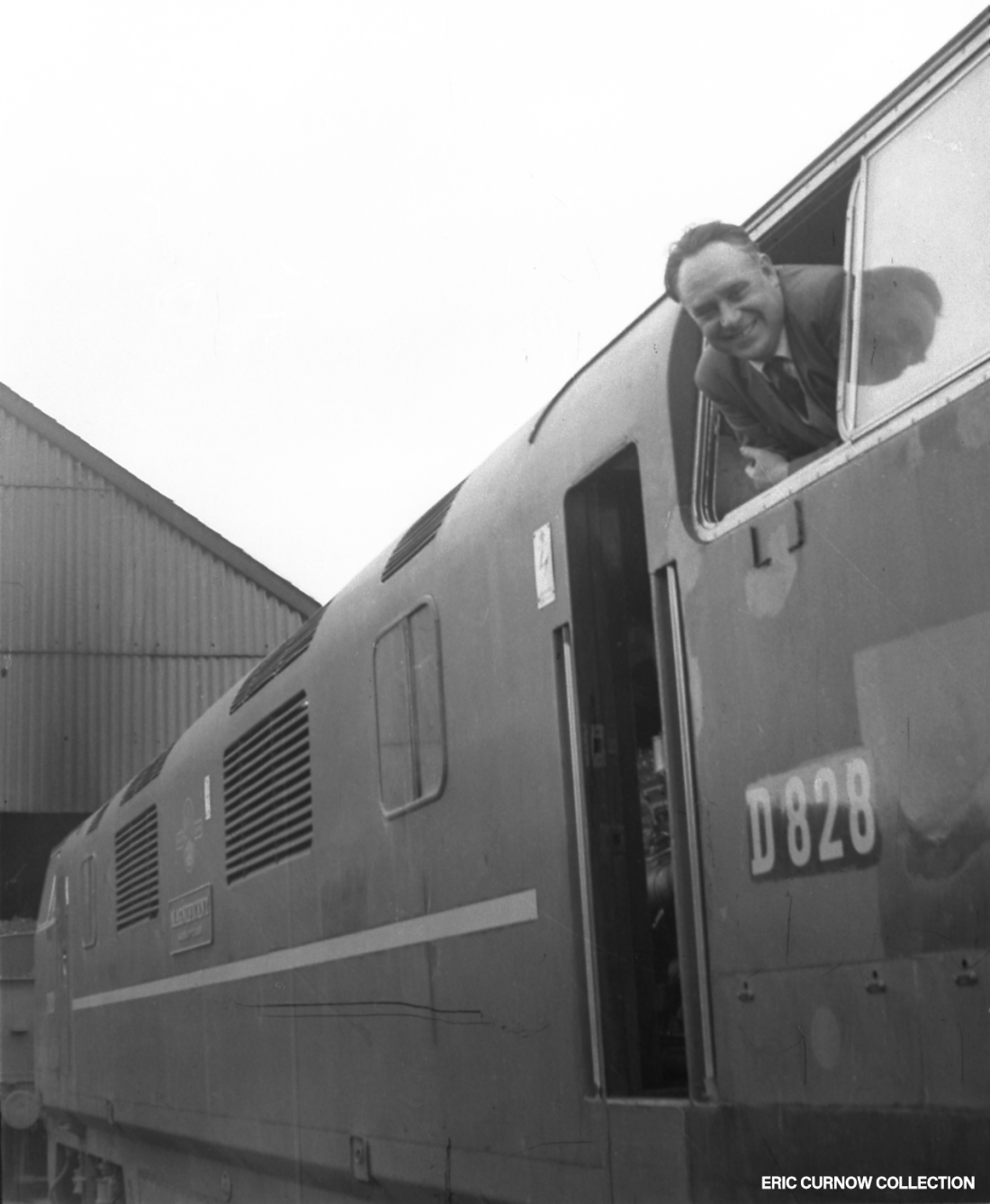
A happy man aboard D828 “MAGNIFICENT” is pictured at an unidentified depot, with a steam loco’s tender behind it. D828 is in green livery with small warning panel, but its number seems to be on a glossy rectangle, suggesting transfer lettering had needed to be replaced, on a new, sound, base. The steam era shed seems to be rather run-down and possibly “on its way out”. 6####IR01&2-UNK–D828-PARKD
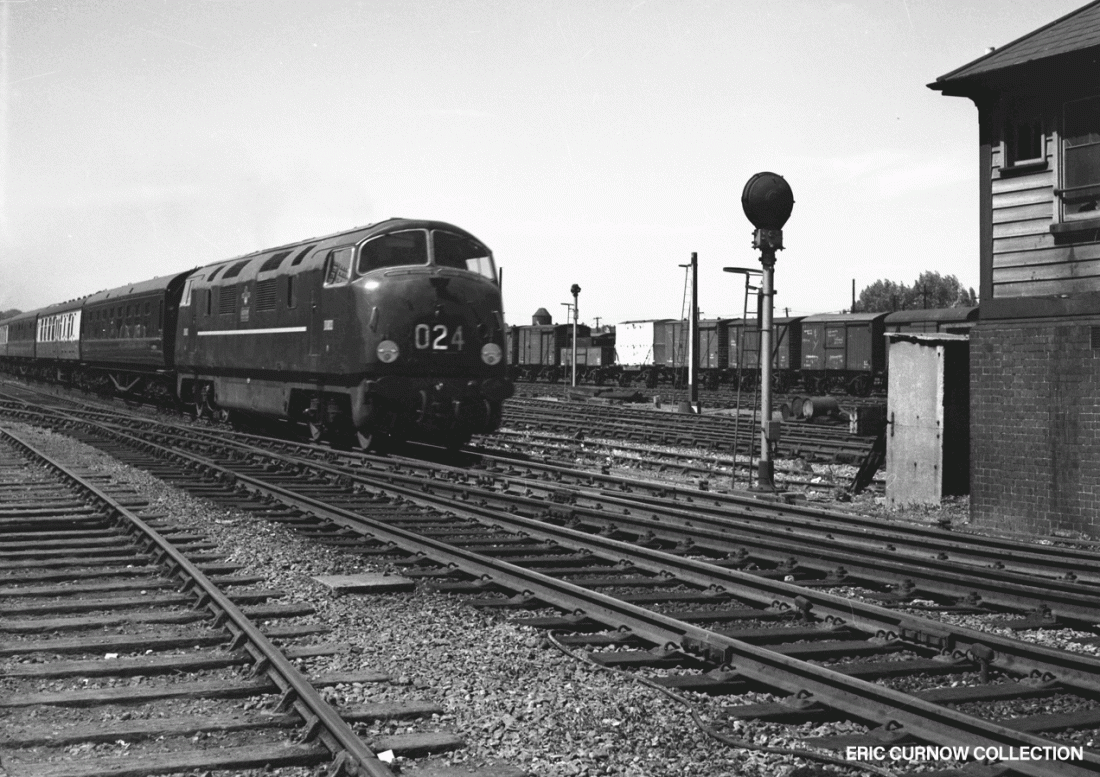
D833 “PANTHER” with GWR headcode boards and discs runs into what might be Reading, with an eastbound train of mixed stock. It is in original green livery with white-painted builder’s plate, and passes short wheelbase vans and parachute water tower. 6####EP01-UNK—D833-PASGR
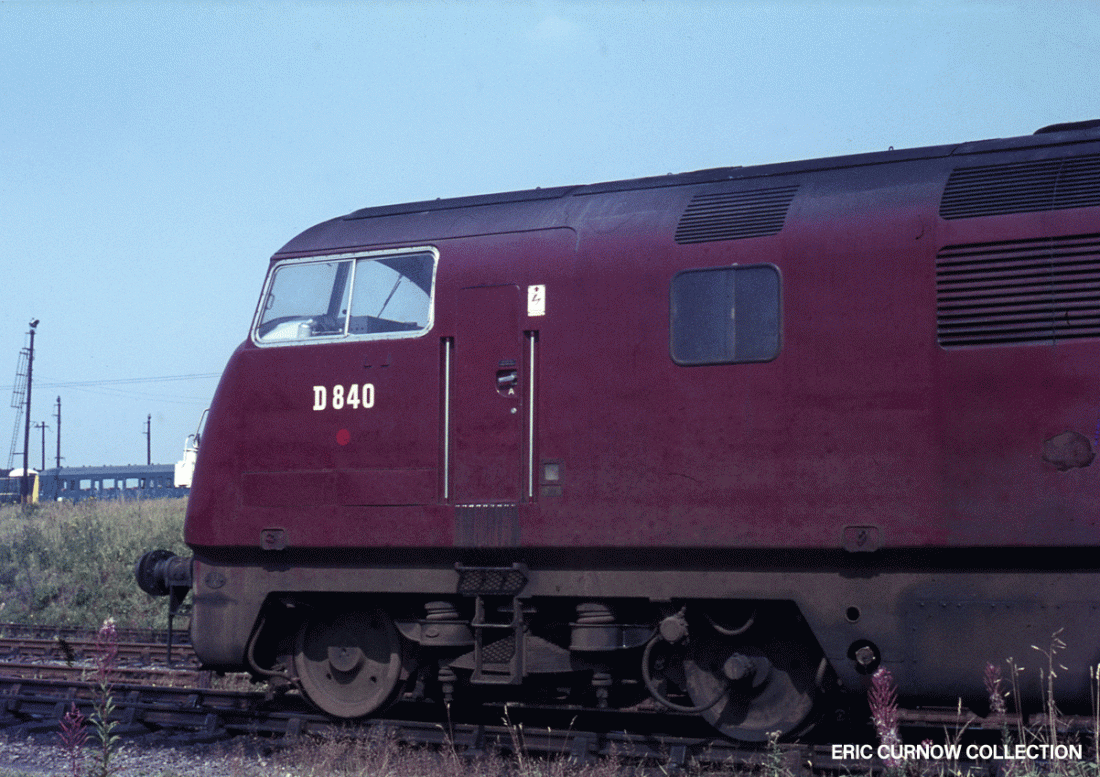
The ‘A’ end of D840 “RESISTANCE”, wearing an ’83A’ Newton Abbot shedplate near the buffer beam, is in work-stained maroon livery, parked in the gentle sun amid wild flowers on what might be Cardiff Canton depot. DMUs are seen in the distance. 6####EV01-UNK—D840-PARKD
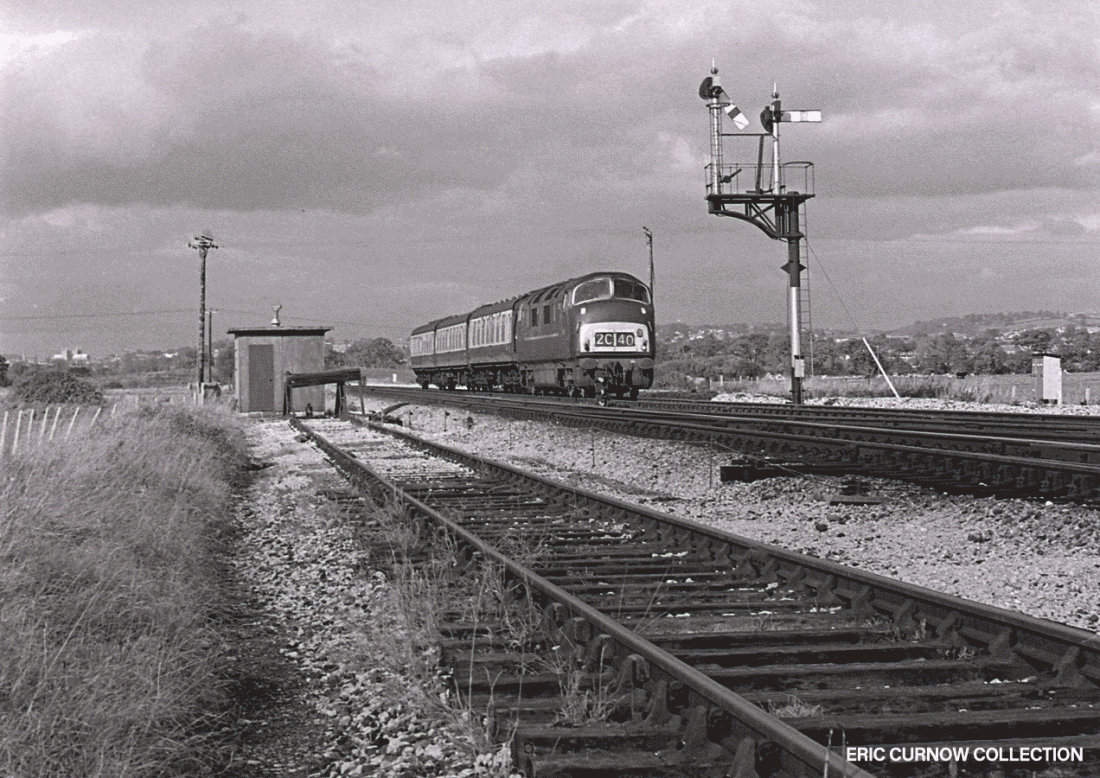
A green ‘Warship’ with small warning panel runs with a three-coach train towards the arm of a bracket signal in an area of rolling hills. In the foreground is a siding leading to a platelayers hut, that doesn’t see much traffic, and in the background a cathedral town. 6####FX01-UNK—D8##-PASGR
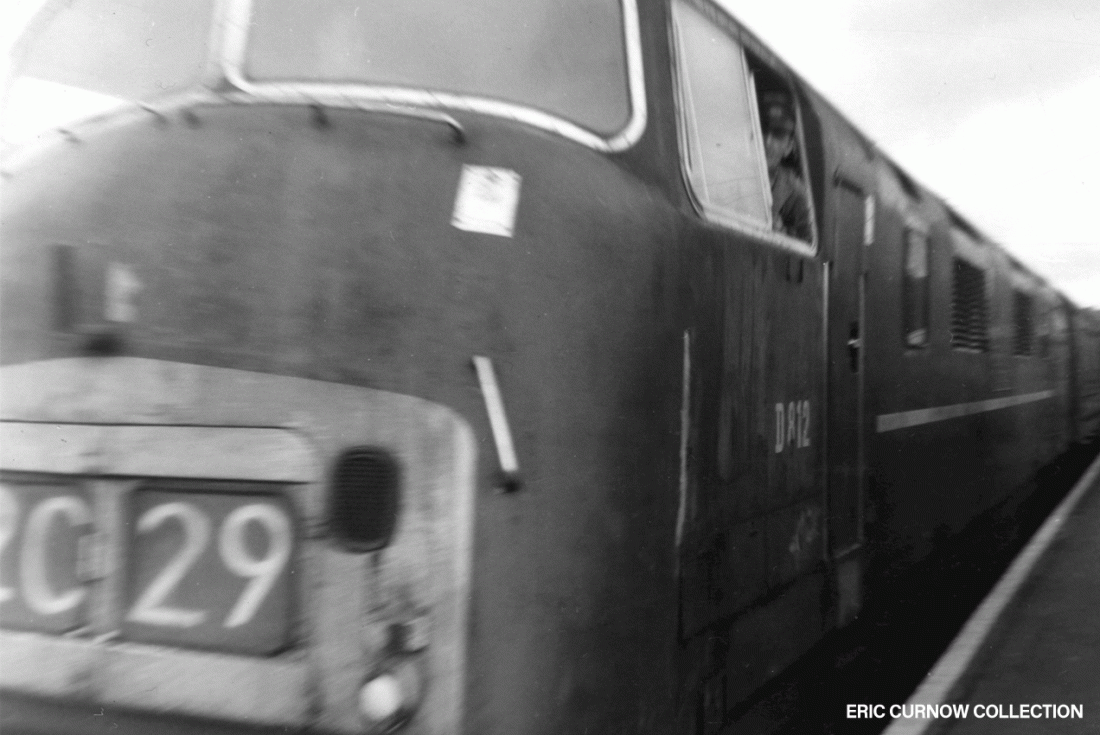
D812 ‘THE ROYAL NAVAL RESERVE’ is pictured drawing away from a platform edge. The loco is in reasonable condition of original livery with small yellow warning panel, but attention to the weeping inspection hatches seems needed on the cab side. 6####GG01-UNK—D812-PASGR
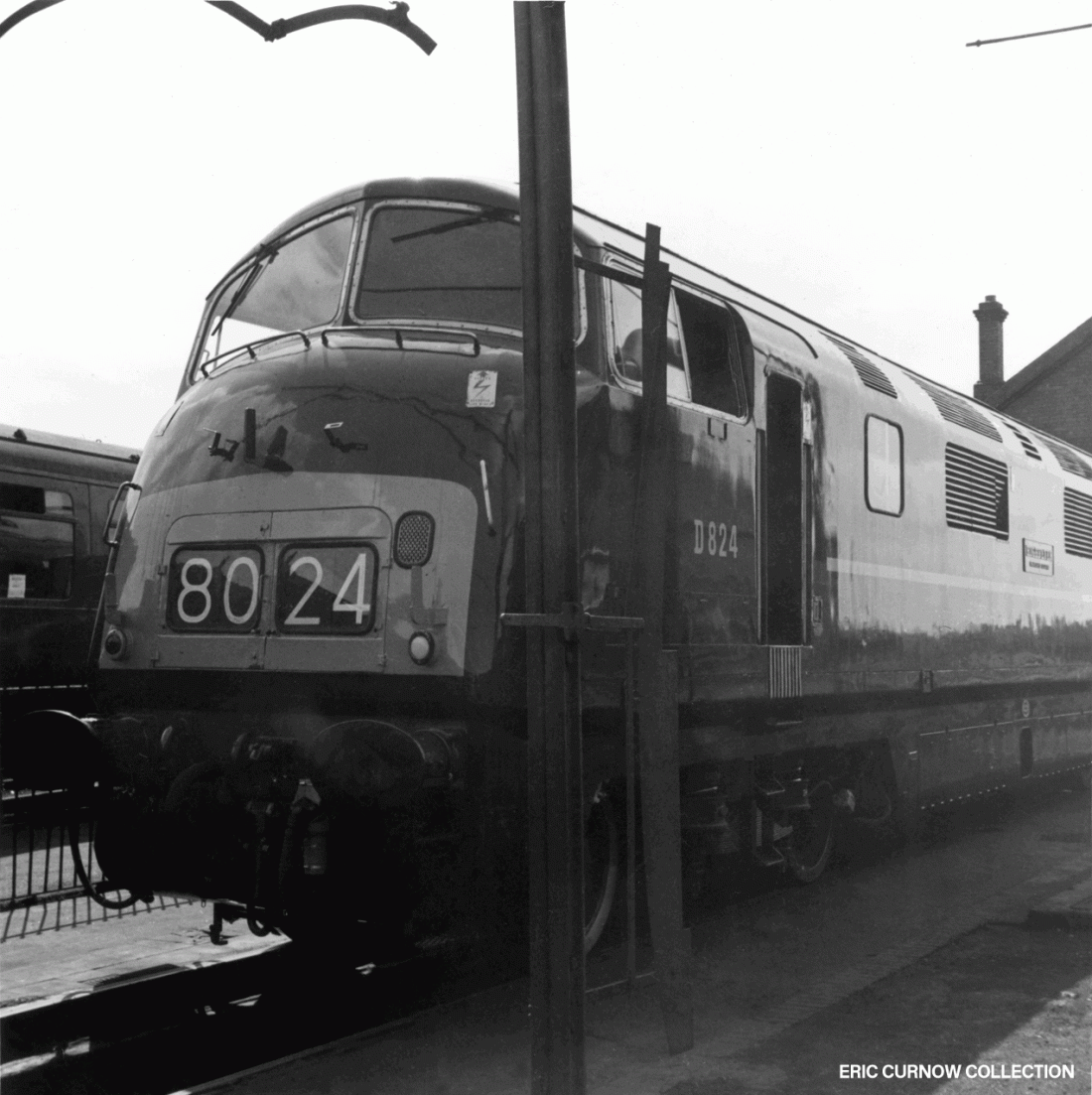
With a Southern Region headcode, and reflections gleaming from the original varnish, D824 ‘HIGHFLYER’ waits before an engine shed – a loading gauge before it and a SR carriage behind. The loco shows vents above the nameplate on its roofline added to improve ventilation in the engine room. 6####HC01-UNK–D824-PARKD
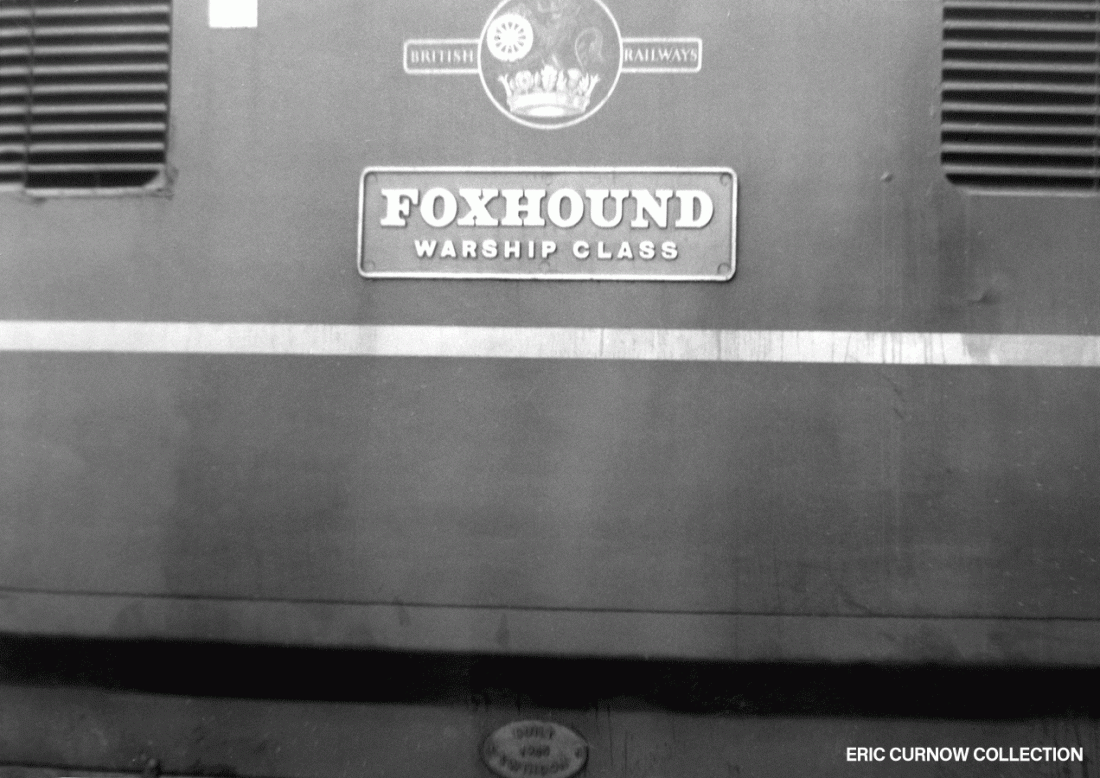
D817 “FOXHOUND”‘s red backed nameplate, on the loco when it was in green livery. The bodyside stripe was applied to the class reportedly to relieve the bulky impression they otherwise had. Below is the white-backed builder’s plate and, above, the BR emblem. 66###AC01-UNK—D817-NAMEP
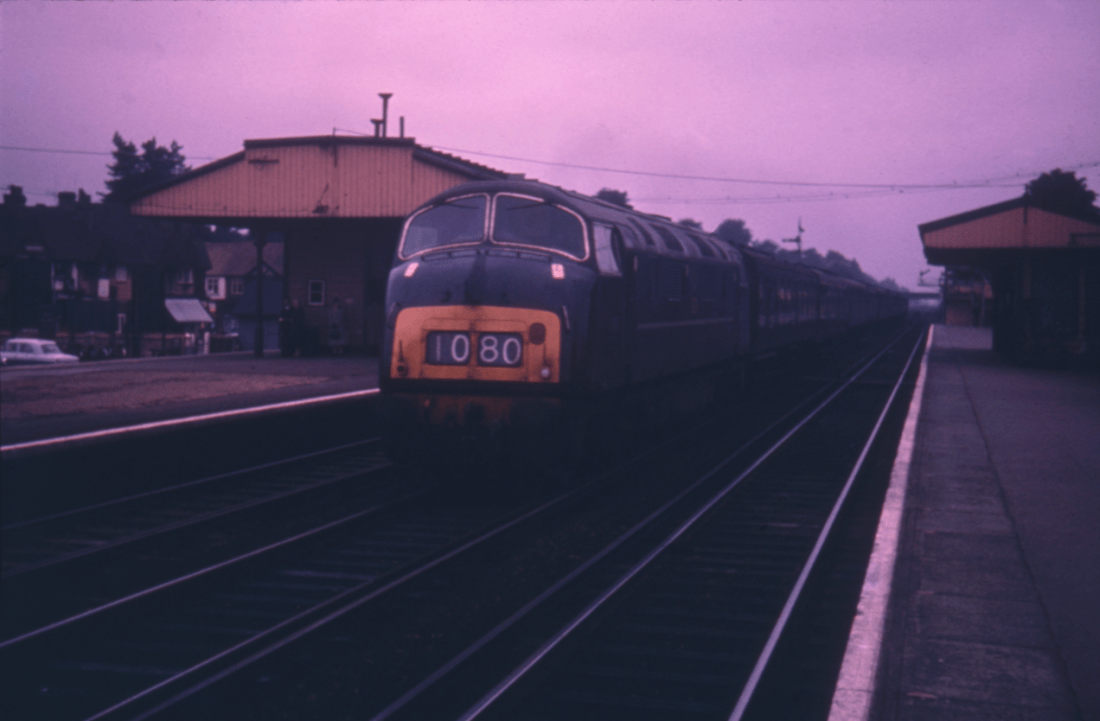
Although Class 43s tended to dominate the South Western main line from Exeter to Waterloo, their visually similar sister 42s also periodically took this roster when convenient. D820 “GRENVILLE” is pictured in green livery hastening through a station probably in the London suburbs under upper quadrant signalling in the early 1960s with an up service in the twilight of the day. 6####IQ01-UNK–D8##-PAS_D
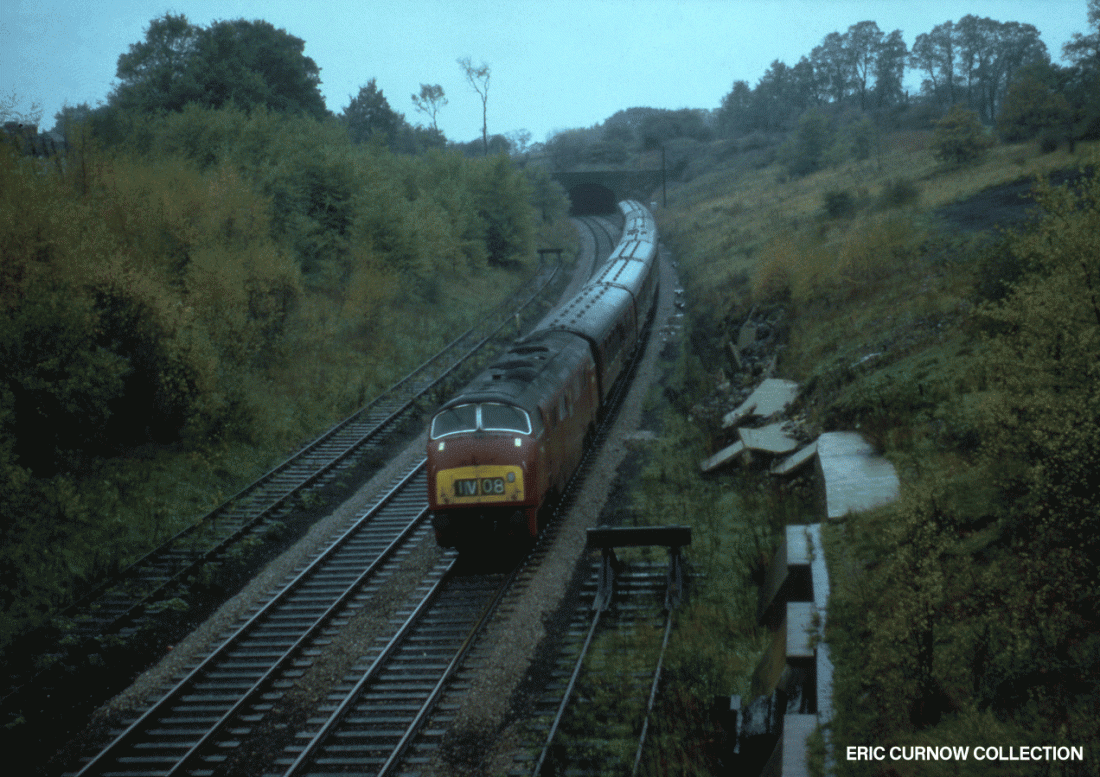
This inter-regional passenger service headed by a maroon ‘Warship’ rolls through a cutting apparently suffering from landslip as some of the buttresses are falling apart scattering concrete panels towards the track. Both sides of the line show redundant track. 67###AA01-UNK—D8##-PASGR
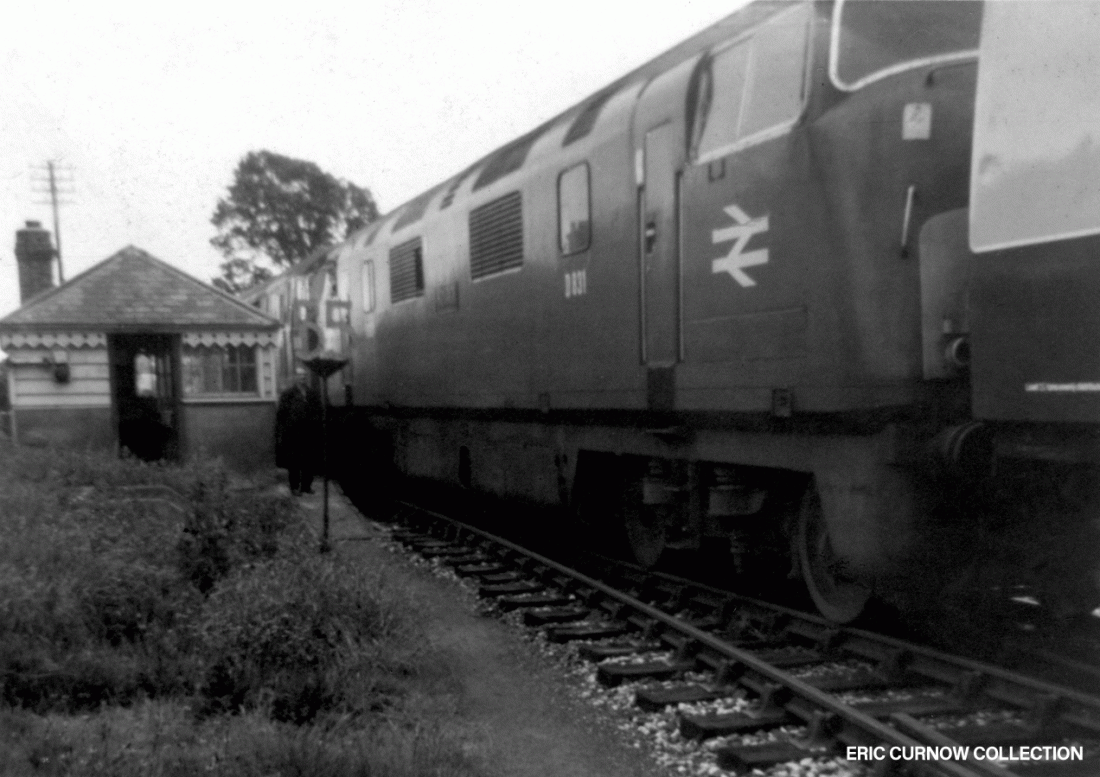
This sees to be a service hauled by ‘Warship’ D831 “MONARCH’ that has “failed”, but I can’t determine the loco class hitched to the front, nor the location. The signal man stands by in his coat, waiting until operations are concluded and he can return to his box. 6908#AD01-UNK—D831-PASGR
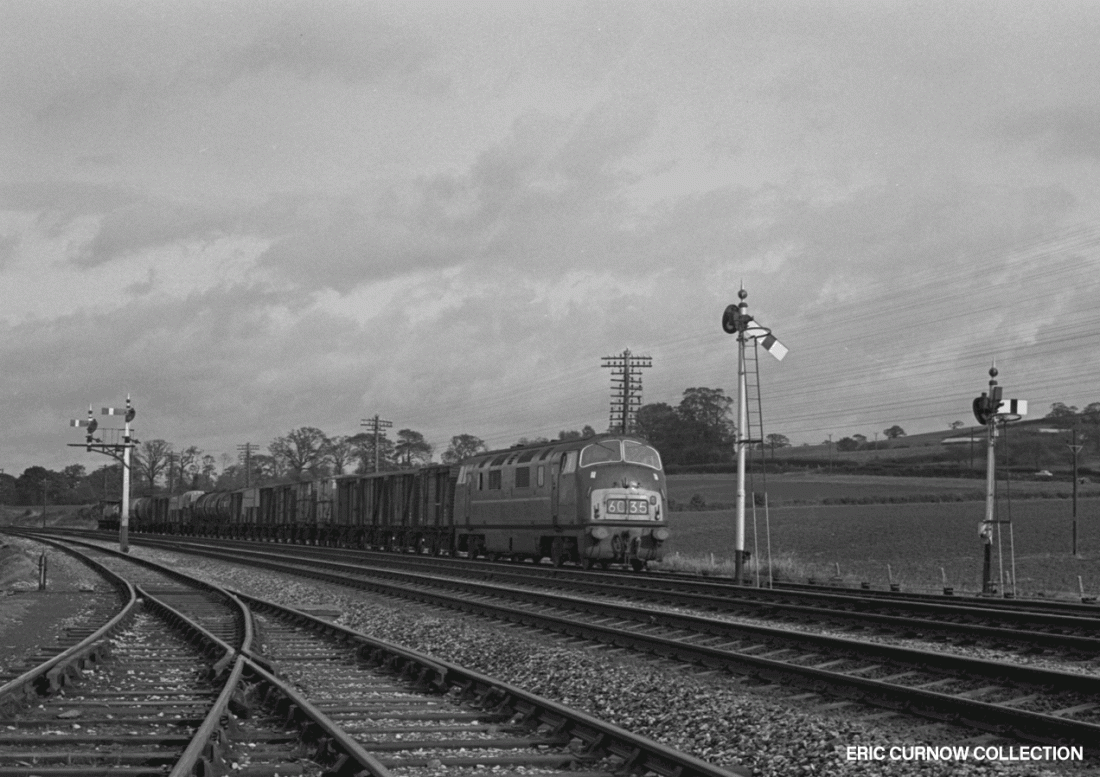
The signal arm has dropped, but not for a ‘Warship’ waiting with a train of miscellaneous vans in the loop for a faster service to pass. It looks like the bracket signal on the left is still wooden, and not yet replaced by tubular steel as the others in the picture have been. 7####AL01-UKN—D8##-GOODS
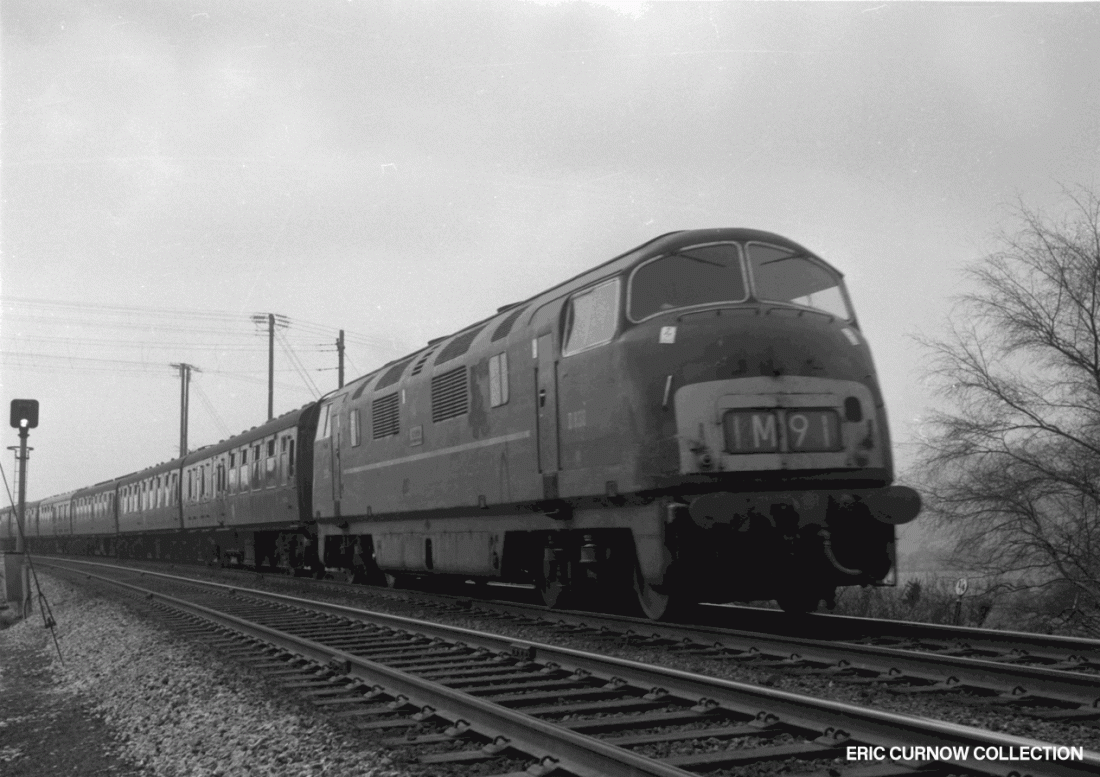
With bodyside repair patchwork visible in places, D838 “RAPID” in green livery hauls a Midland-bound train of maroon Mk1 passenger coaches. In its final years “RAPID” was a frequent visitor to Penzance, but by then in maroon livery, of a similar external condition. 6####FP01-UNK—D838-PASGR
 A Bristol-bound ‘Warship’ races through countryside, apparently a Glasgow-built locomotive, still in original green livery, with red buffer beam, but missing a warning panel. Beyond the chain link fencing there appears to be non-W.R. signalling, and the track is quadruple in the foreground. 6####DV01-UNK—D8##-PASGR
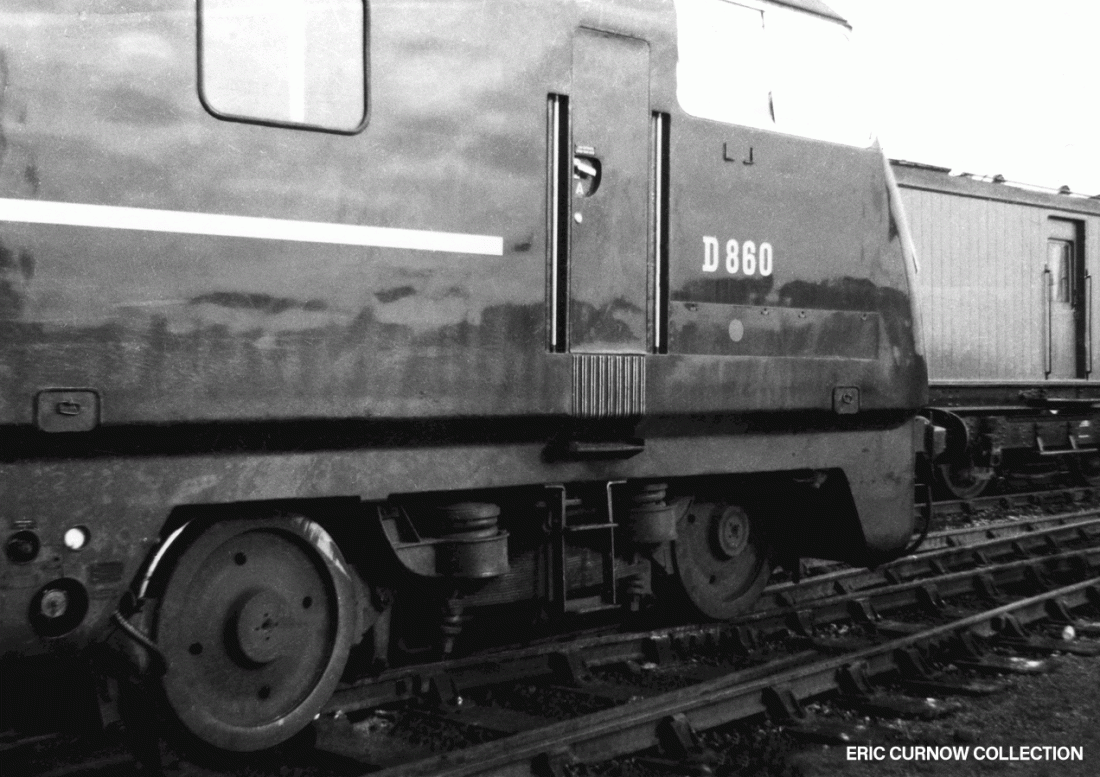
A wheelset of D860 “VICTORIOUS” is derailed beside the tool van of a breakdown train, probably at a depot as the trackwork and rising roof behind seem to indicate. D860’s slightly dented bodyside is in gloss green, but the area beneath the solebar, out of reach of the cleaning station brushes, seems a dirty matt. 6####HH01-UNK–D860-PARKD

In its final prefix-less livery, 820 ‘GRENVILLE’ – displaying a S.R. headcode and showing swipe damage on its front end – enters a station light engine, somewhere on the West of England line. My last memory of 820 was in this livery, but ex-works. 7####DY01-UNK—d820-LIGHT
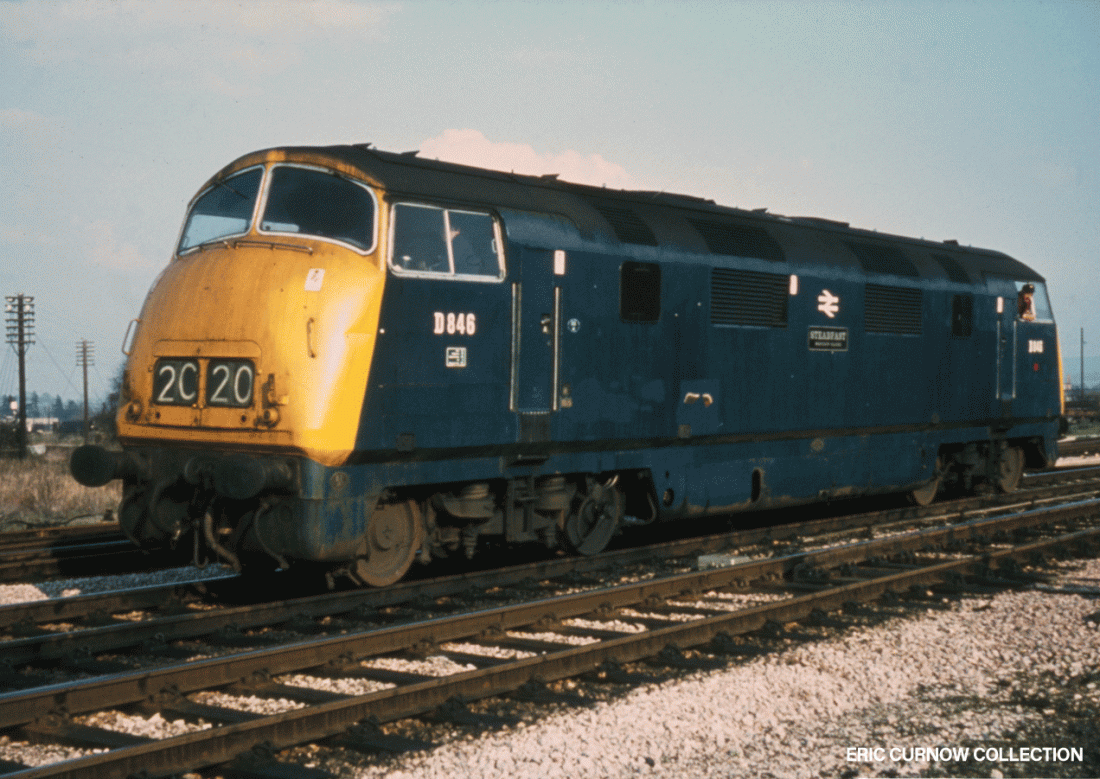
“STEADFAST” runs towards the camera as the Second Man assesses progress from the rear cab. D846 is finished in the unusual livery variant of a small logo above the nameplate, and serif lettering from pre-British Rail days. It has had the worst excesses of damaged paintwork “patch painted” over. 7####FD01-UNK—D846-PARKD
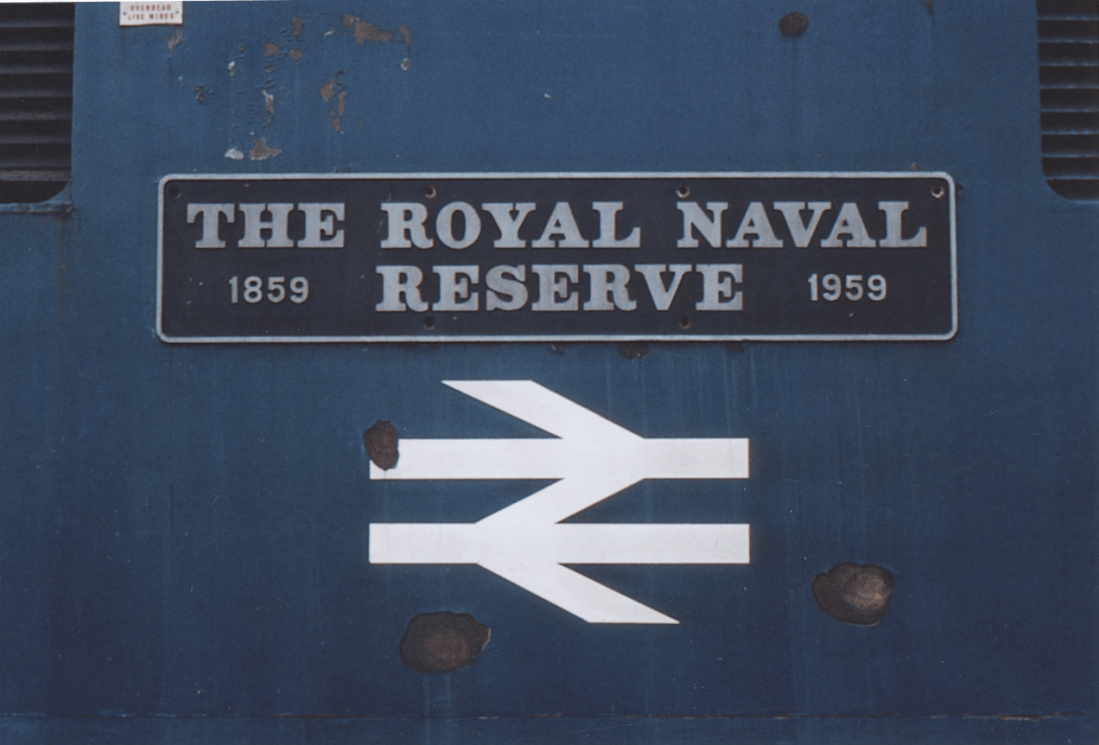
The last Warship I got close up to in service was 812 “THE ROYAL NAVAL RESERVE 1859-1959”, and – sensing the imminent end of visits by this class – I took a rubbling of its nameplate that I still have today. Although double-arrow logos were earlier fitted to cab ends, towards the end of their career single ones were positioned below the nameplates instead. 7####AA02-UNK–D812-NMPLT
 The Eric Curnow Collection