
This view of St Ives taken about 1960 shows the sweep of the line from the left, around before the station building and beyond, under the vegetation covered cliff. A lone carriage is parked in the headshunt, next to advertising hoardings. 60###AF01-SIV-BEACH-VI_NW

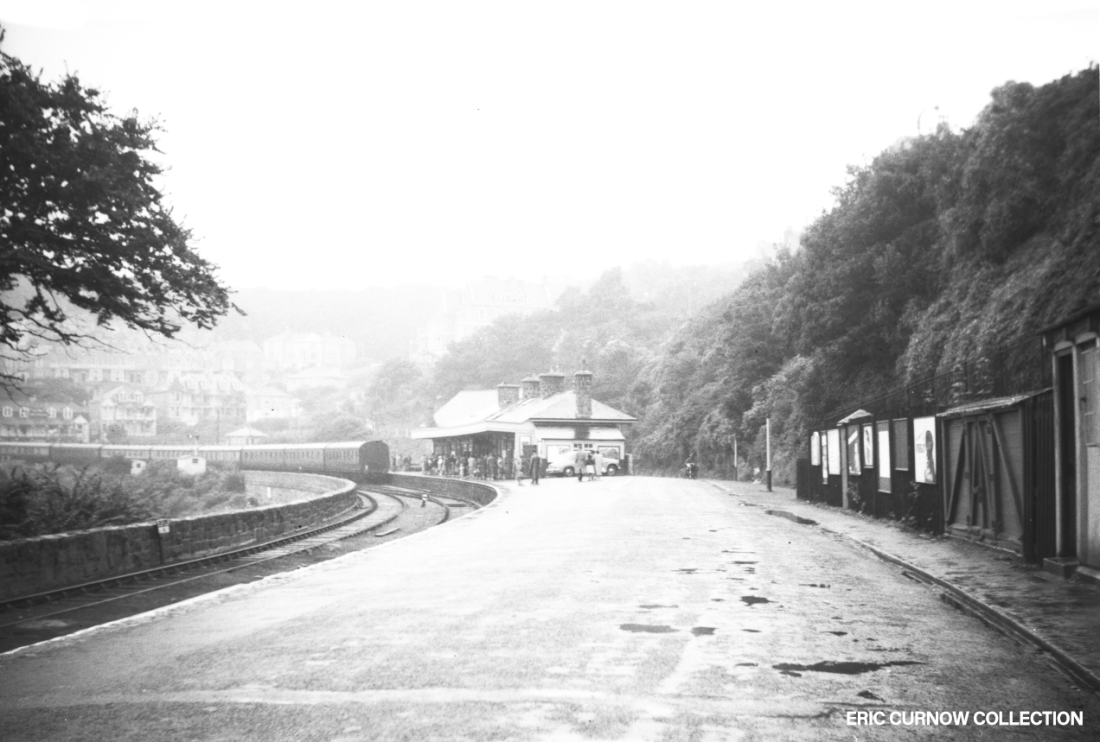
Drizzle is in the air, and puddles are scattered on the landward side of St Ives station’s platform as passengers wait under the awning for their train to be shunted in and made ready, probably in the late 1950s. Poster hoardings, a grounded wagon body and a lightweight building flank the pavement to the right, opposite the track milepost. 5####CV01-SIV-STATN-VI_SE
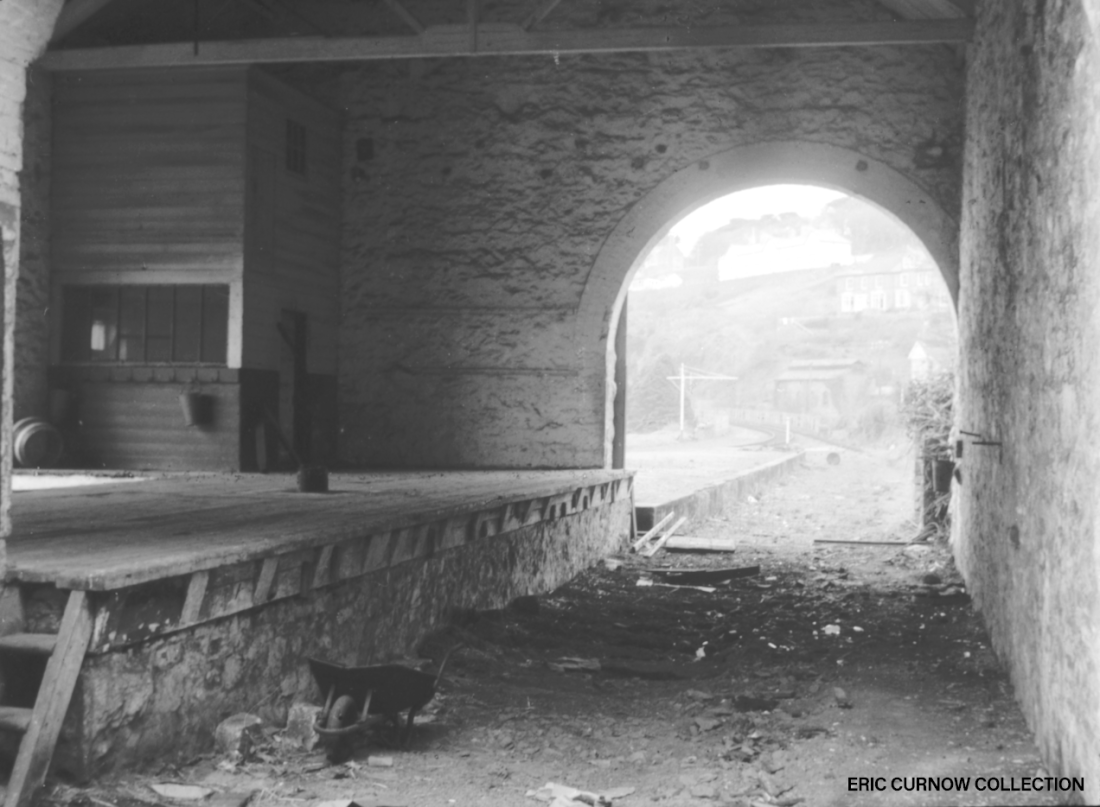
Terraces of houses, hotels, the Engine Shed, the end of the platform, and the Loading Gauge are faintly seen through the entrance arch of the St Ives Goods Shed shortly before demolition. The edge of one of the two doors is in view, and inside on the platform is an office of some sort. The track has been lifted, and the whole scene has an aura of ancient functional simplicity about it. 6####JB01-STI-G_SHD-VI_NE
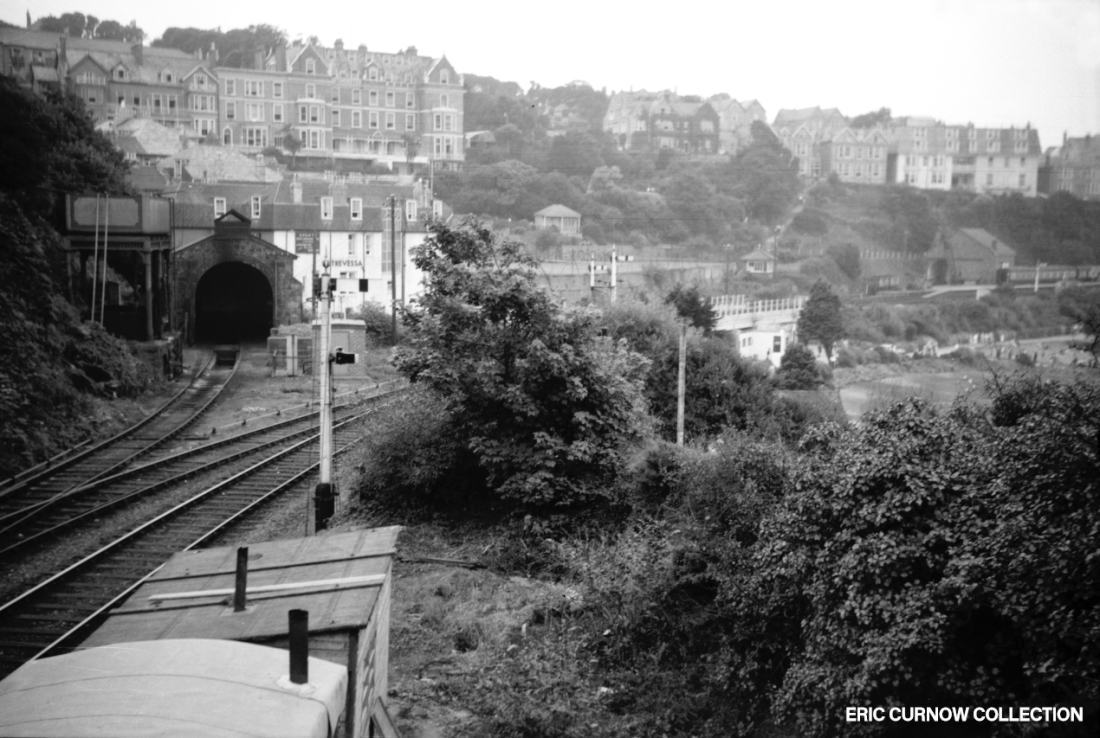 The environs of St Ives station in the 1950s: its wooden signal posts are recently painted and, with the new bridge, everything looks in good order. To the left is the water tower and engine shed; above the bridge railings is the signal box; and on the right, the goods shed and tail end of a train. There is a nice balance of soft vegetation with the, sadly inevitable, buildings. 5####CV01-SIV-STATN-VI_SE
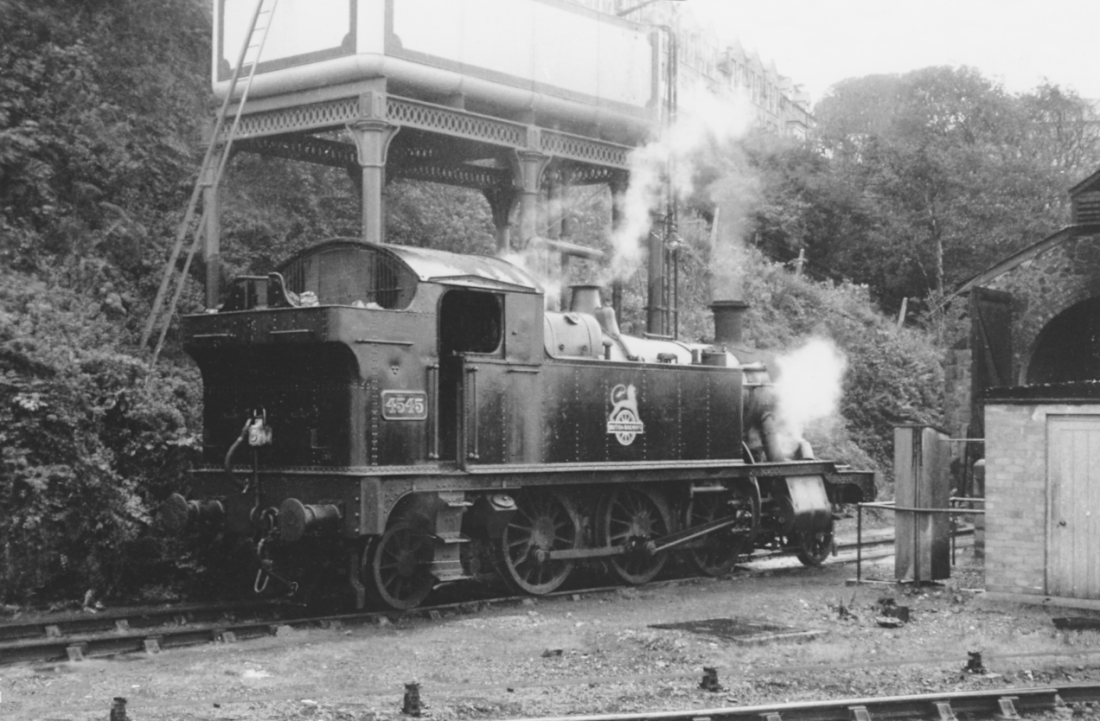
Below a phalanx of hotels and boarding houses, branch loco 4545 steams gently away at St Ives Water Tower in 1956, in front of lush vegetation provided by the generally damp atmosphere of West Cornwall. To the right is the front of the small engine shed and a more modern brick-built storage shed. 4545 is in BR black with cycling lion livery. Photo: H C Casserley. 560927A01-STI-s4545-FUELG
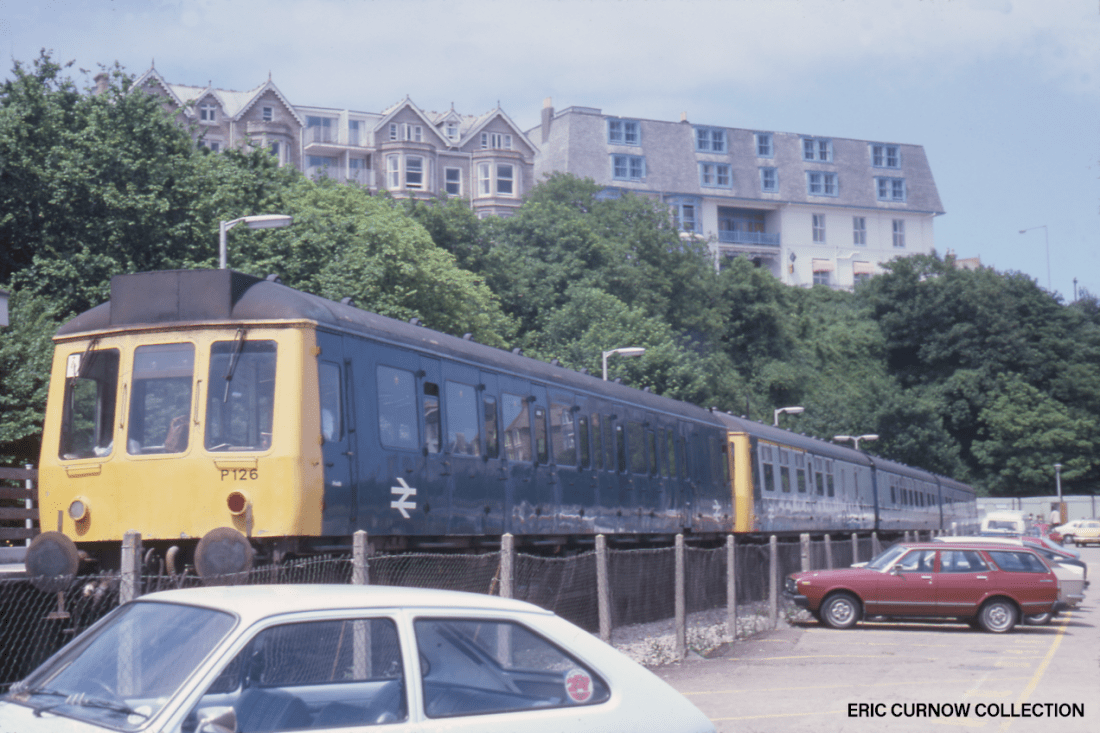
Overlooked by hotels and in weak sunshine, P126 – made up of Class 121 single-car DMU 55026 and a 3-car unit – wait at St Ives for the return working to St Ives on 6th July 1978. Vegetation has grown up behind as a result of maintenance neglect and the car park before it now covers most of the former station site Liveries of the two sets contrast, but are still complementary. 780706A01-STI-2XDMU-PAS_I
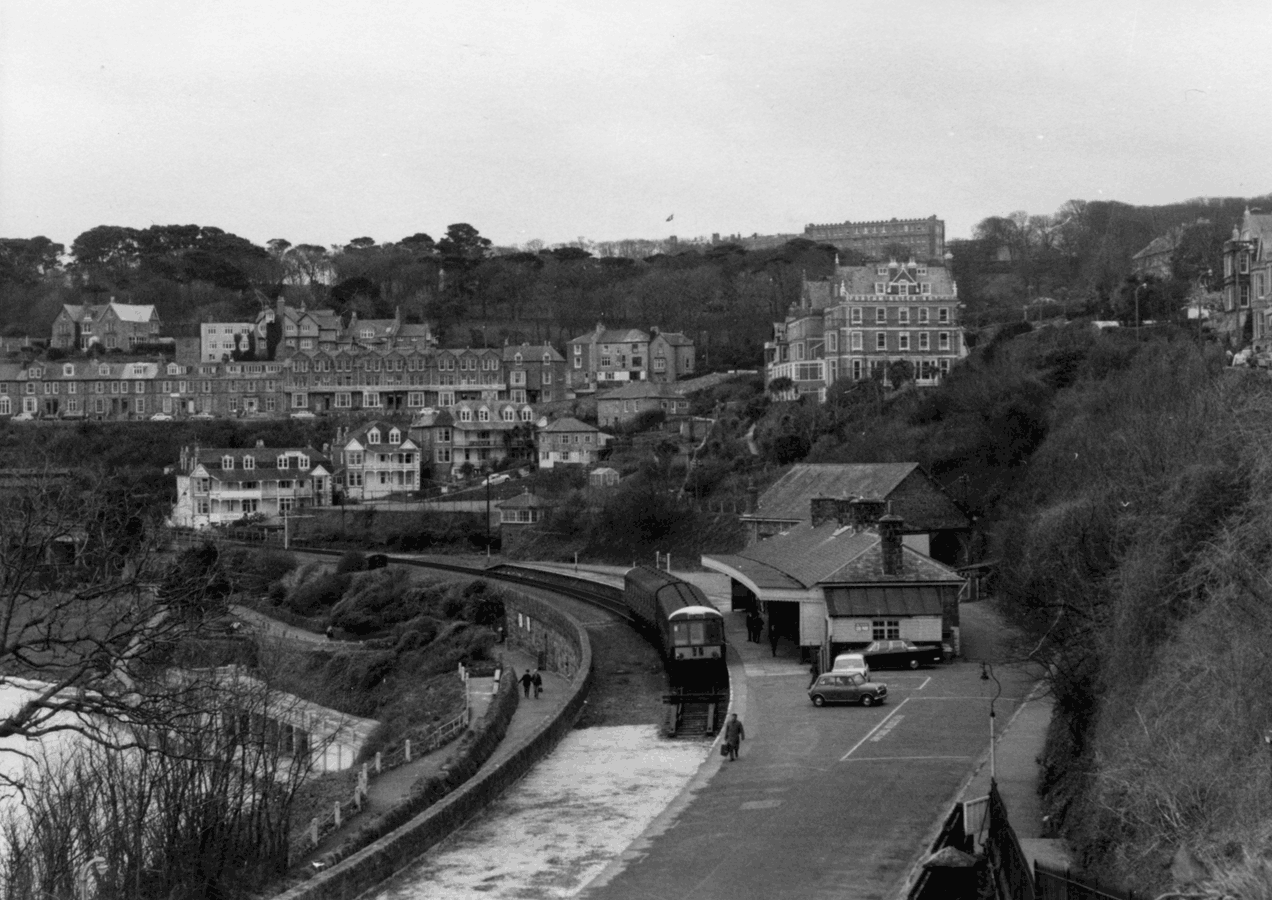 Rationalisation has removed all trackwork except for that of a shuttle line. One passenger walks away from a 2-car DMU in green livery, outnumbered by three station staff talking among themselves. Copyright: Lens of Sutton – John Faulkner Collection. 670325A01-STI-3XDMU-PAS_I
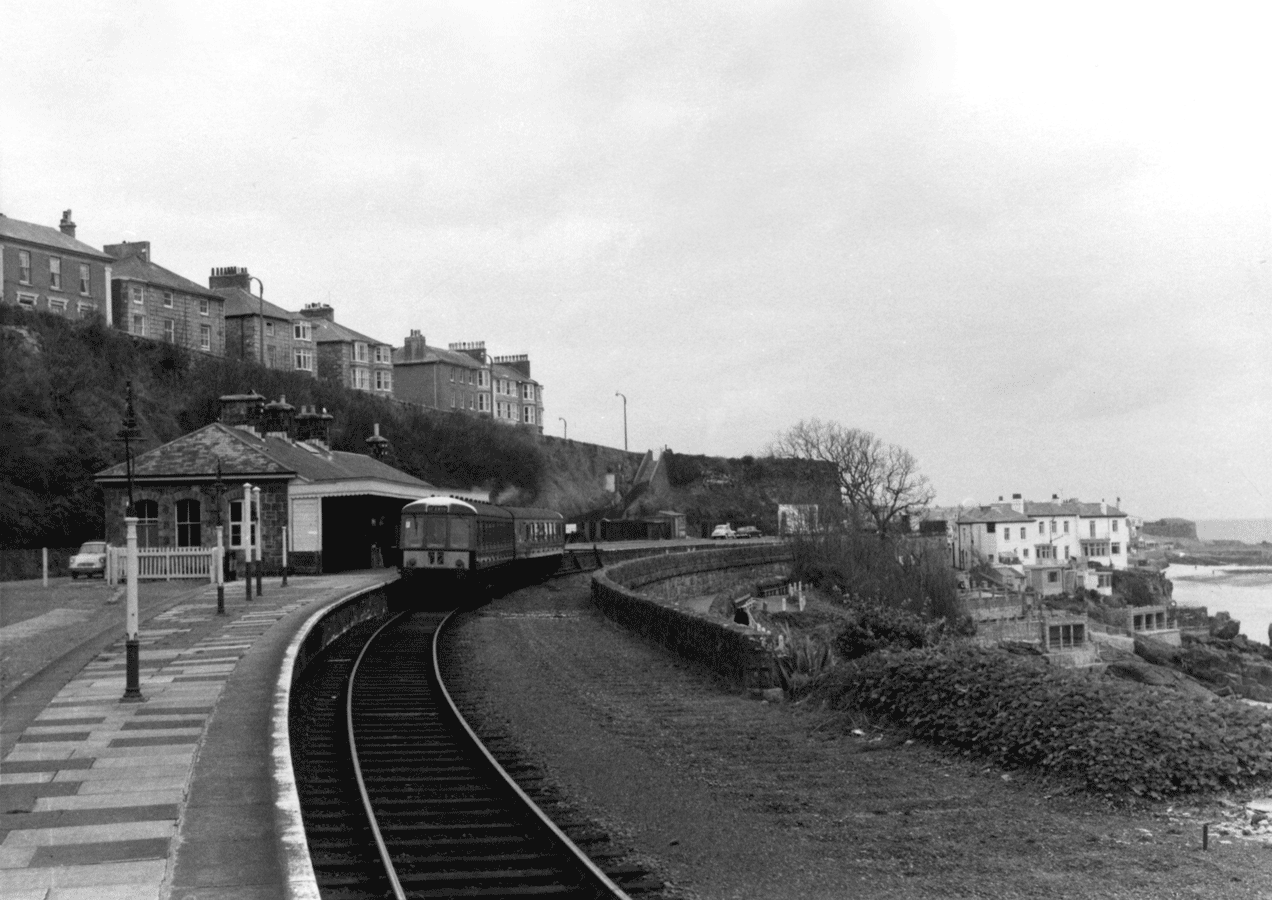
St Ives station mid-rationalisation shows the partially filled in bay platform at front left and the buffer stops brought further away from the town – though the main station building still stands. A 2-car DMU with white window bonnet, largely obscured with exhaust deposit, smokes away awaiting departure. 670325A03-SIV-1XDMU-PAS_I
 A 45XX tank straddles the points at the South Western end of St Ives station on 17th January 1958 as a railman beside the ground disc signal beckons it on. An Engine Shed is under the hill, above the white railings to the loco’s left, and a water tower beyond. 580217A01-SIV-S_YRD-VI_SE
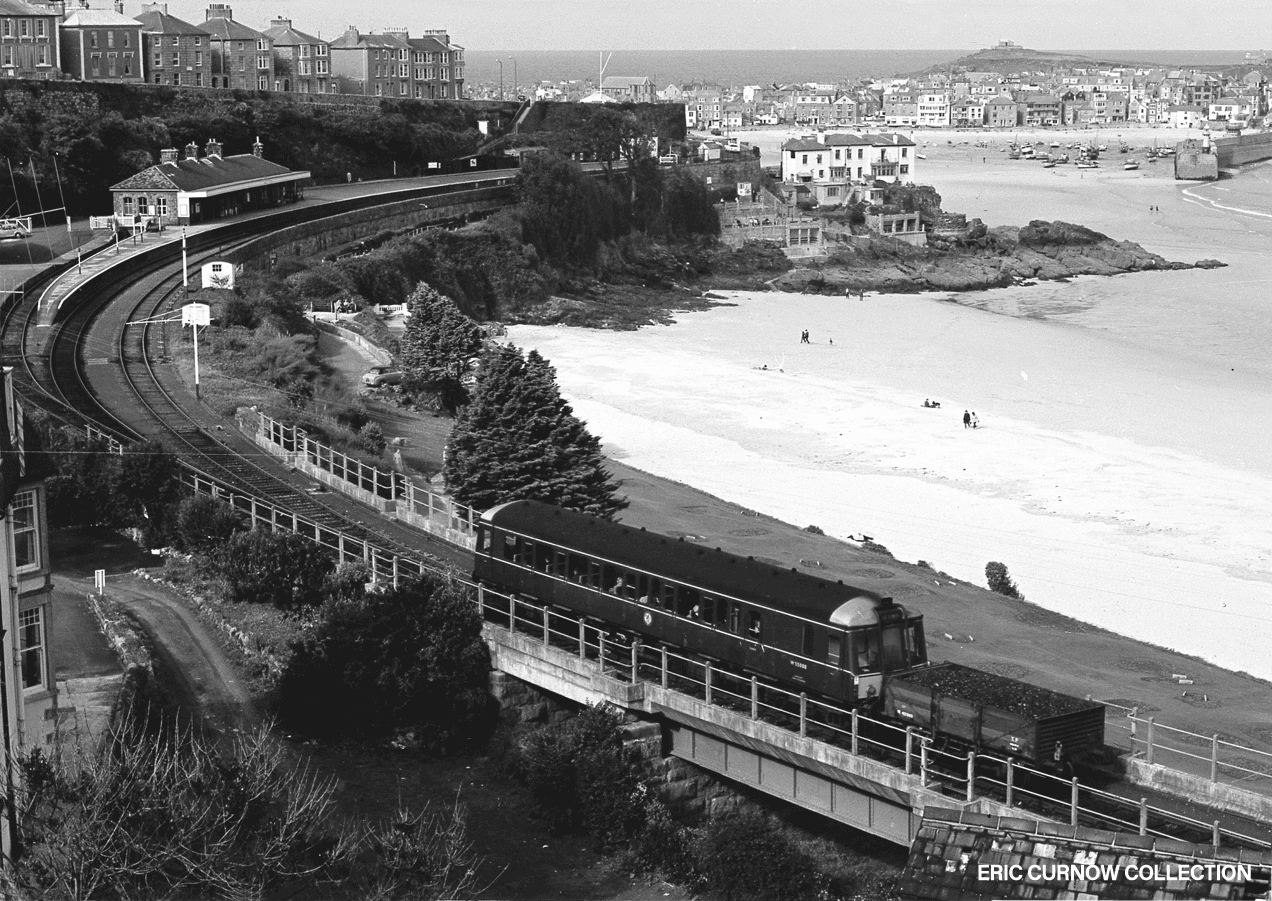 A single unit hauls a 5-plank wagon of coal into St Ives Station. The station is in good order, with everything well painted and clear of unnecessary clutter, but the signal has lost its arm, suggesting significant rationalisation is in progress. 63###AG02-SIV-DMUX1-MXD_O
 A close-up of the scene above shows the driver in the cab, but no passengers behind him. It is crossing a substantial bridge that when being built encouraged locals to hope that the line wouldn’t be a “Beeching” cut. 63###AG01-SIV-DMUX1-PAS_I
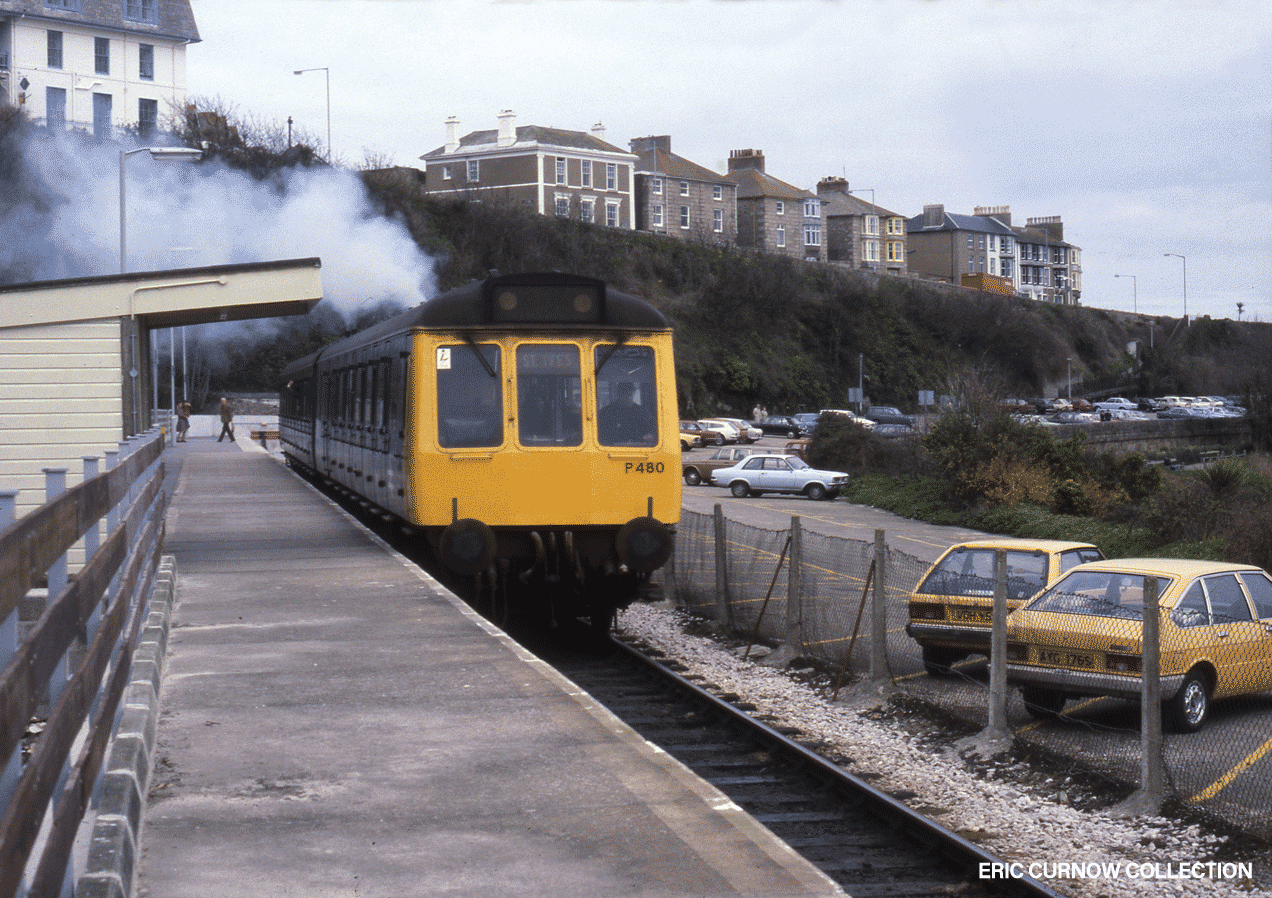 With a subdued domino headcode, Class 118 DMU set P480 runs out of St Ives station in the 1980s. Rationalisation hit this station severely, although I cannot ever personally recall anything on this branch grander than a basic DMU shuttle back to St Erth. 8####DB01-SIV–P480-PAS_I
 2-Car P480 leaves St Ives with its exhaust drifting inland. It is running over the bridge across the top edge of Porthminster beach, the track of which then rises to mid cliff height for the majority of the journey to Lelant – giving spectacular views. 7####AR01-SIV–P480-PAS_I
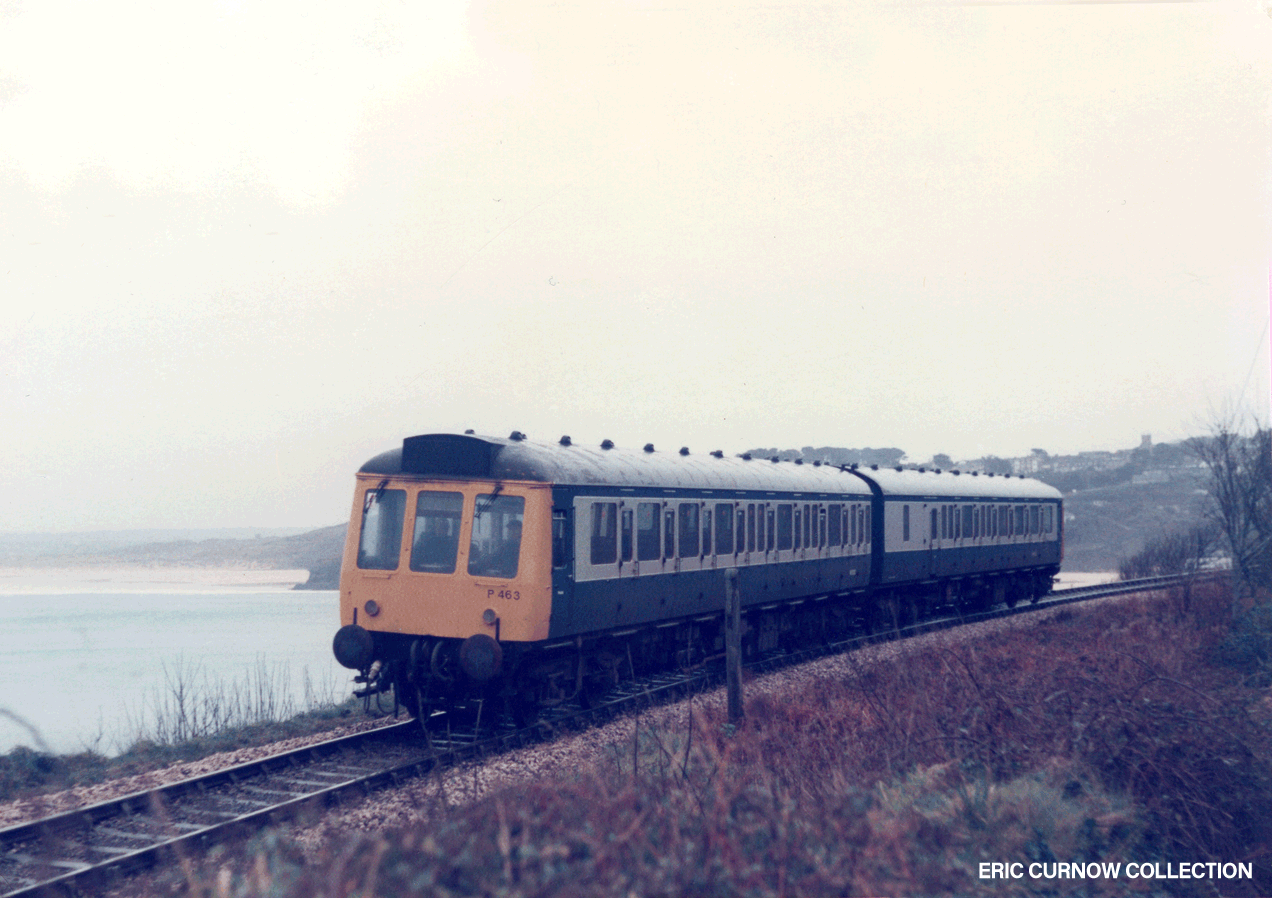 Gently rocking as it nears the point at Carrack Gladden, 2-car unit P463 trundles slowly along, the schedule permitting plenty of time for travelers to take in the view, though marred by a mist, The water usually is of an exceptional colour along this stretch. 7####EZ01-CBB–P463-PAS_O
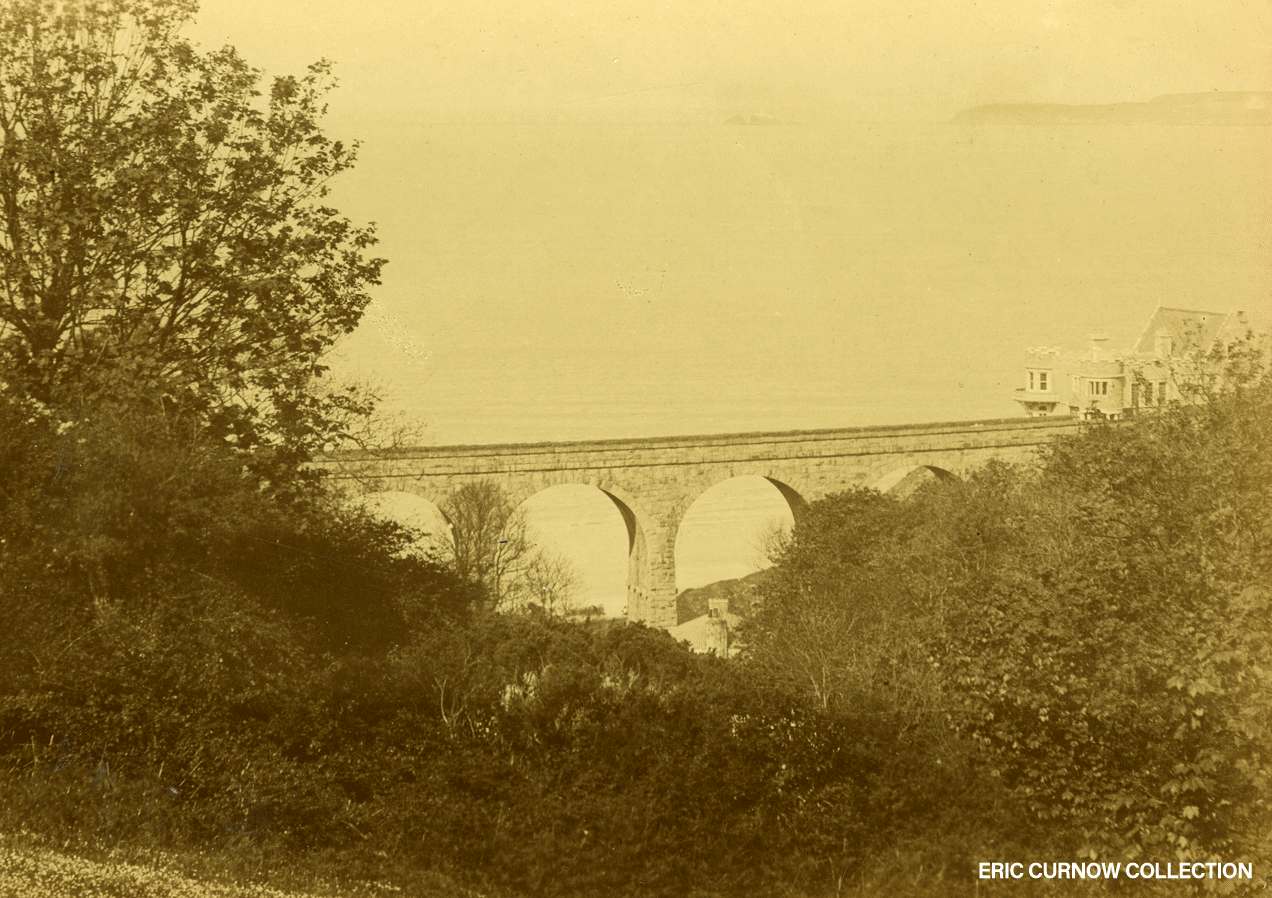 The viaduct at Carbis Bay is pictured on a misty day where gentle wave ripples can be seen, and even Godrevy island. A castellated house peeps over the eastern end and a few rooftops can be seen below the masonry between lush vegetation. #####AL01-CBB-VIADT-VI_NE
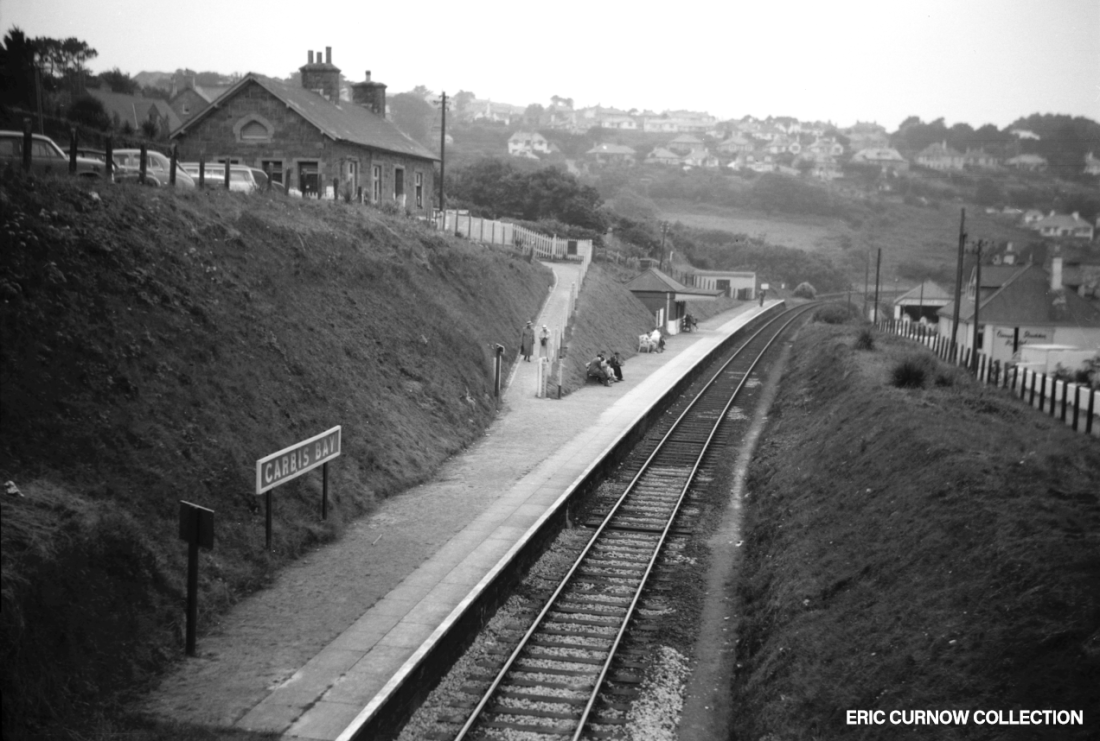 Before nationalisation had made much of its mark on the station, Carbis Bay still has its GWR running in board, as seen from the overbridge to the south east of the station. The granite building always seemed to be sliding downhill to me from this vantage point, but its existence also gives it an air of importance, later lost in the station’s downgrade. 5####CU01-CBB-STATN-VI_NW
 The fixed distant west of Carbis Bay stands alongside a track resting on bridges, next to where a milepost leans seaward, and is shadowed on its inland side by a footpath. A typical fence of point-topped wooden posts with wire strands separates the two. 45###AA01-CBB-TRACK-VI_NW
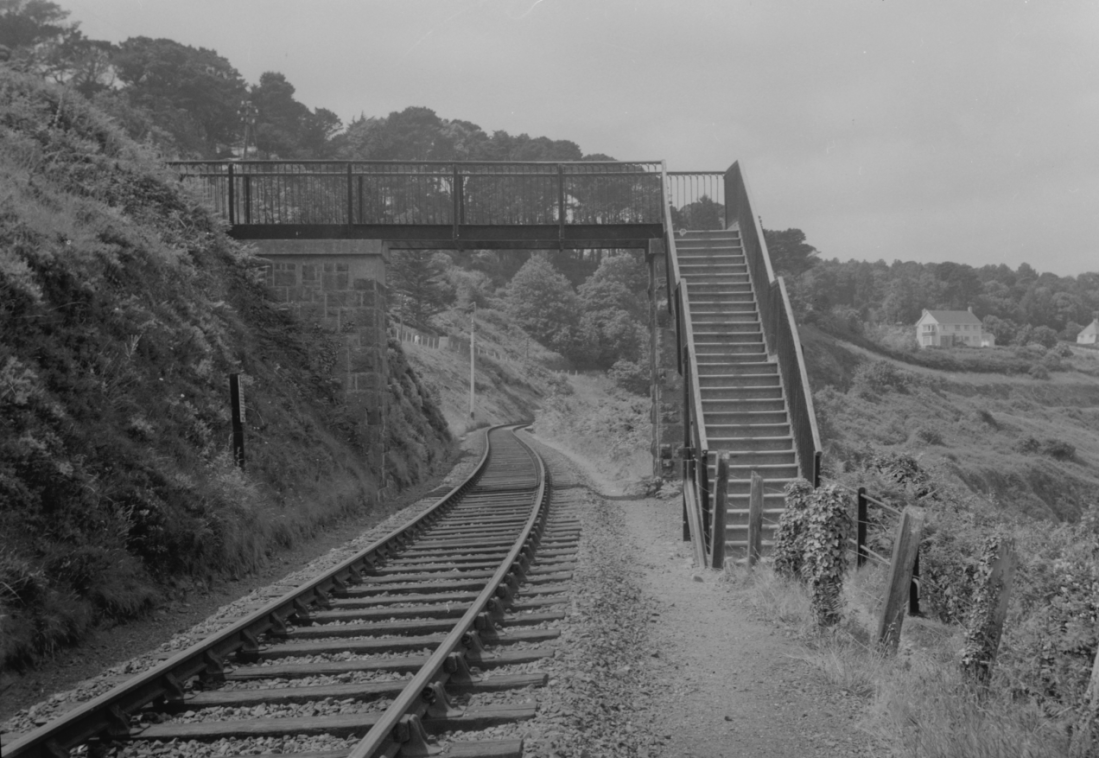
This footbridge is west of the Carbis Bay Viaduct, carrying the Coast Path across the railway line. As can be seen from a close look at the wooden boundary posts at the foot of the steps, the wires have been widened allowing fairly easy access to the track – this is where we placed pennies for the train to flatten them on Sunday School Treat days, without getting told off by anyone. 6####JE01-CBB-F_BDG-VIS_E
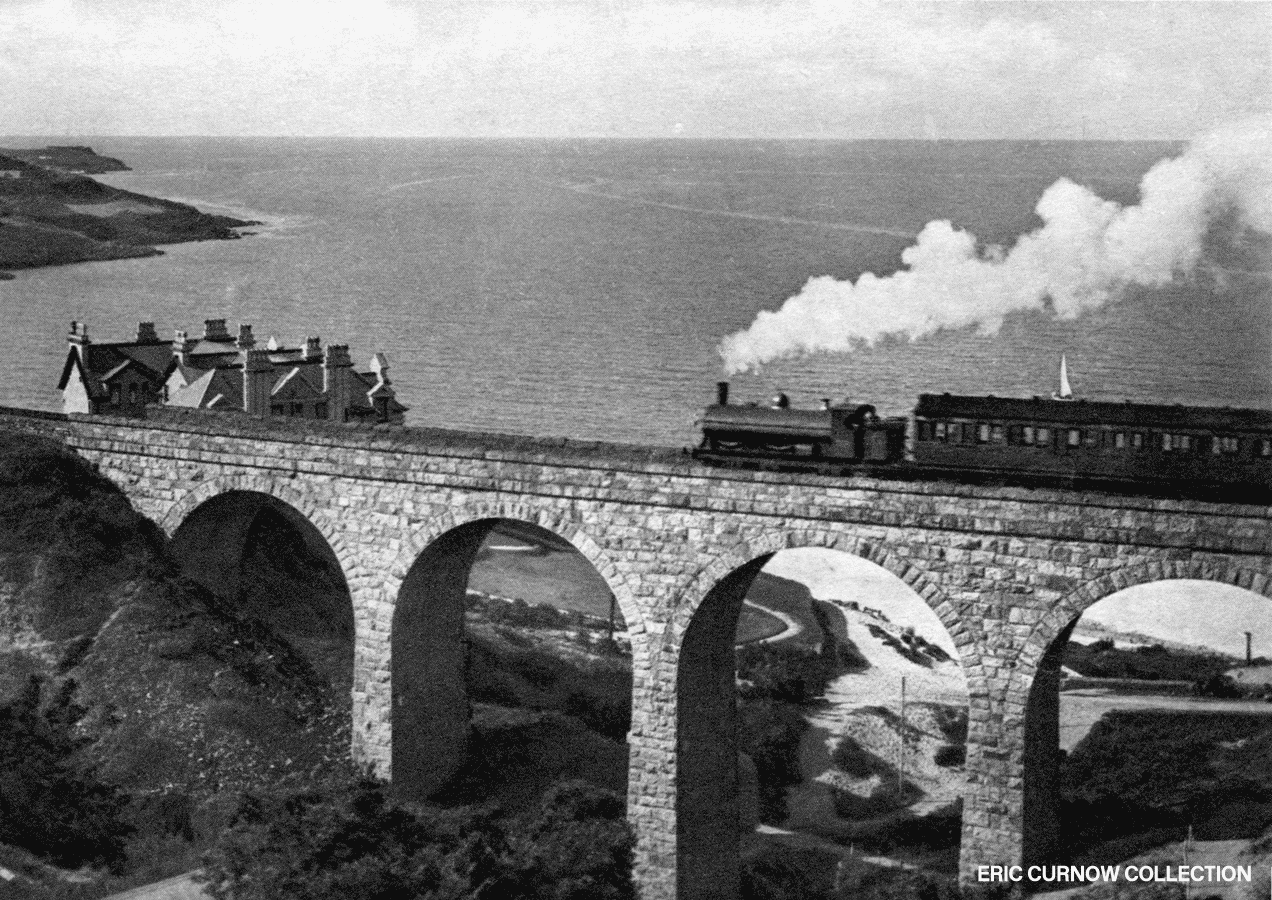 In the days before the area was built up with housing, an 0-6-0 steam loco crosses the valley west of Carbis Bay station, opposite the hotel. The viaduct masonry is still unblemished and the approach debris pile has little undergrowth upon it, suggesting this is not long after completion. 2####AG02-CBB-VIADT-VI_NW
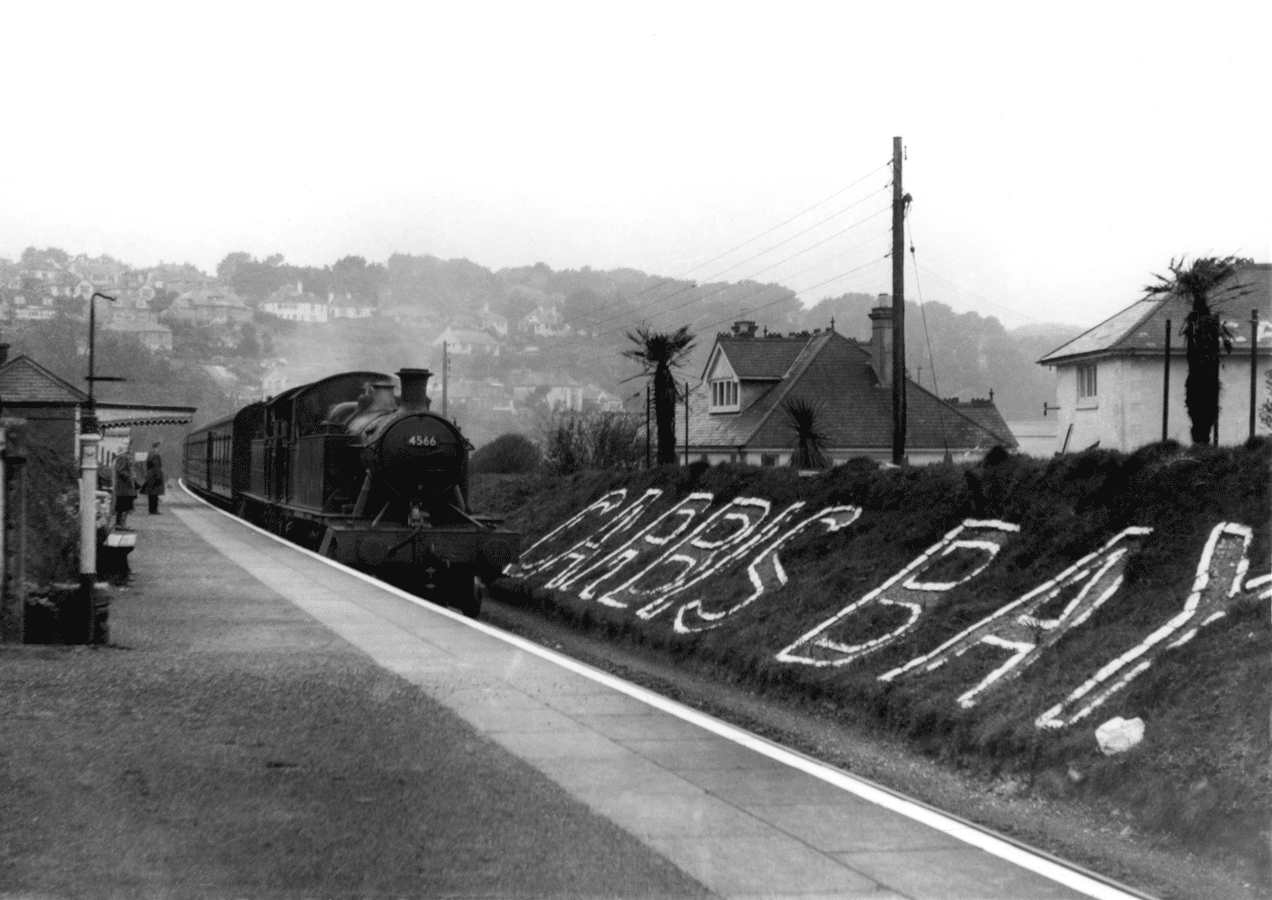 4566 with another classmate “ticks” slowly as it draws into Carbis Bay Station in the late 1950s. I remember seeing the station name still picked out in bricks in the mid 60s. By kind permission R.K. Blencowe. COPYRIGHT R. K. Blencowe Negative Archive Tel: 01794 502733 Email: r.blencowe@ntlworld.com 5####BW01-CBB-sLOCO-PAS_I
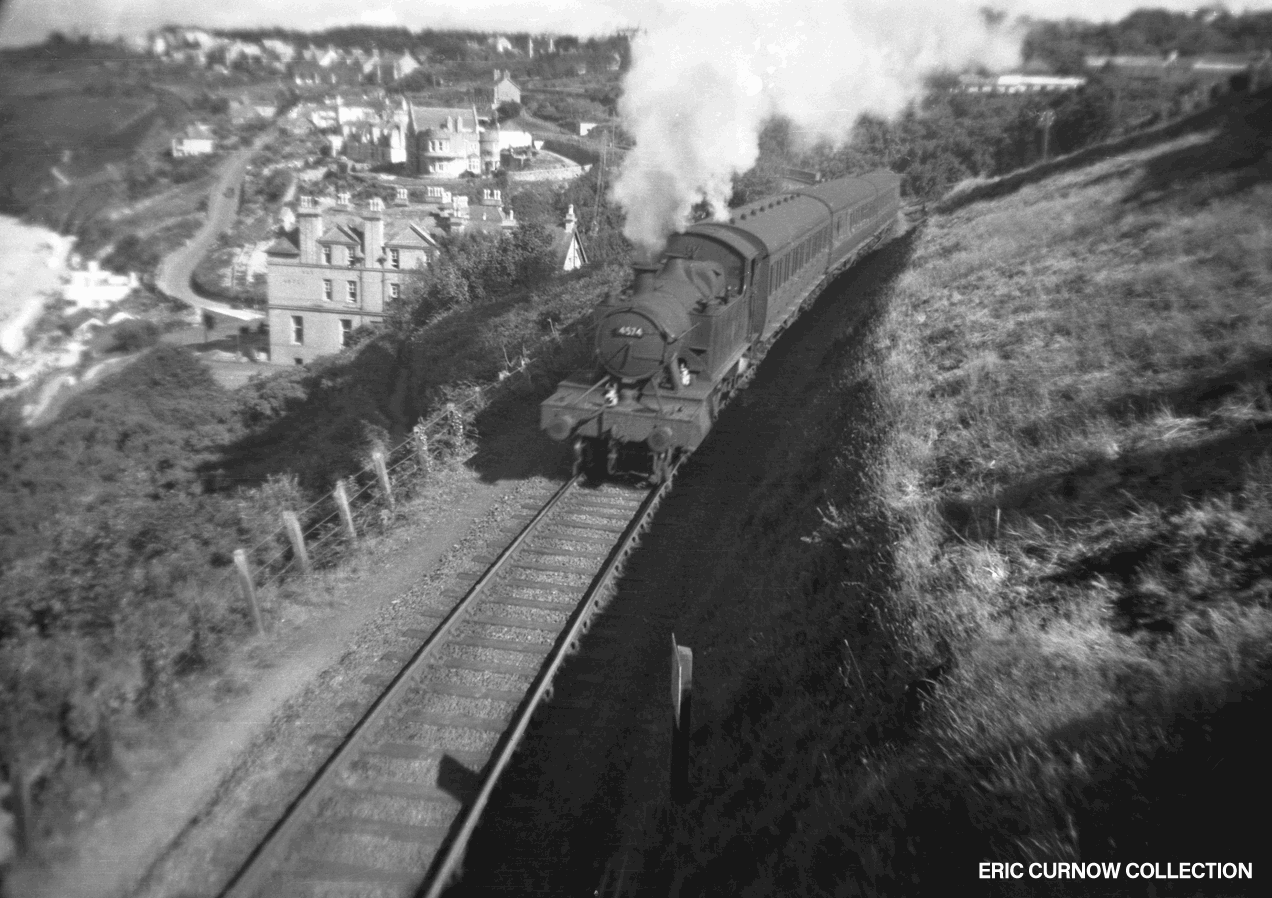 Time was really running out for steam traction when 4574 was pictured from the footbridge to the west of Carbis Bay heading a three coach train to St Ives. A trespass warning sign is placed opposite where I remember, later, placing a penny or two on the track. 620717A01-CBB-s4574-PAS_O
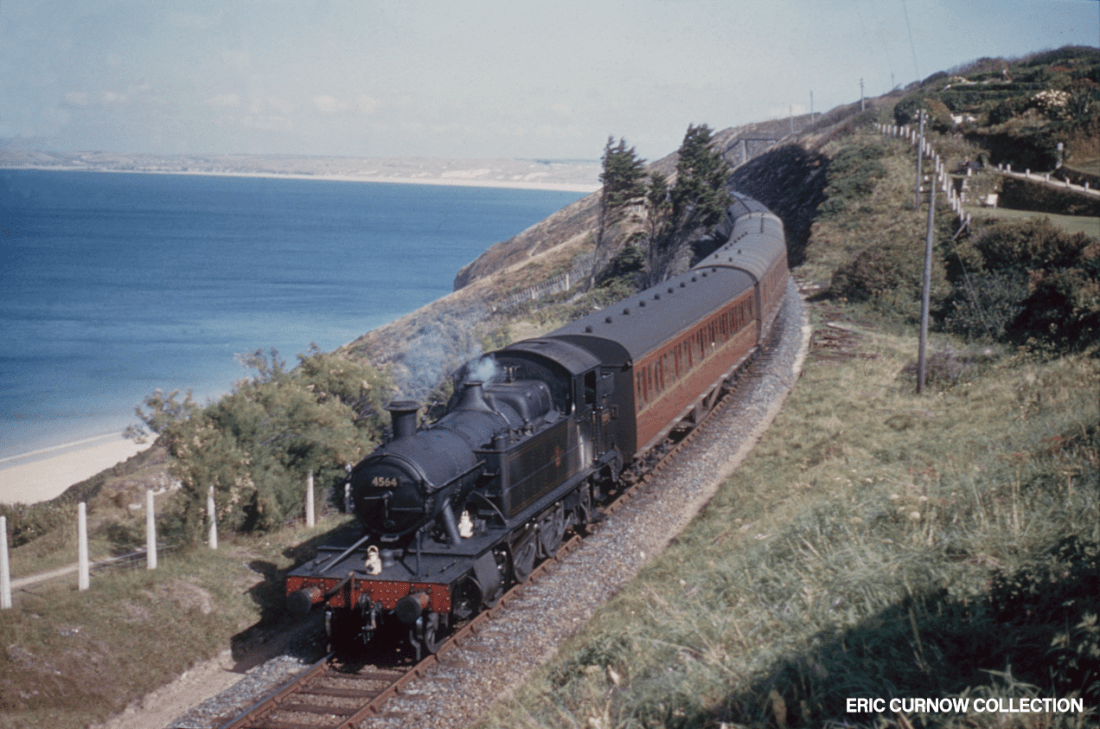
Apparently black, but actually with green side tanks, 4564 rolls down the gentle incline into Carbis Bay from the east with a 5-coach branch service to St Ives. Hazy blue sky, deep blue sea, and bright sandy beach – no wonder this line became the most dominant holiday image for the GWR / BR promotional departments – though the windswept trees also indicate another reality! 6109##A01-CBB-s4564-PAS_O
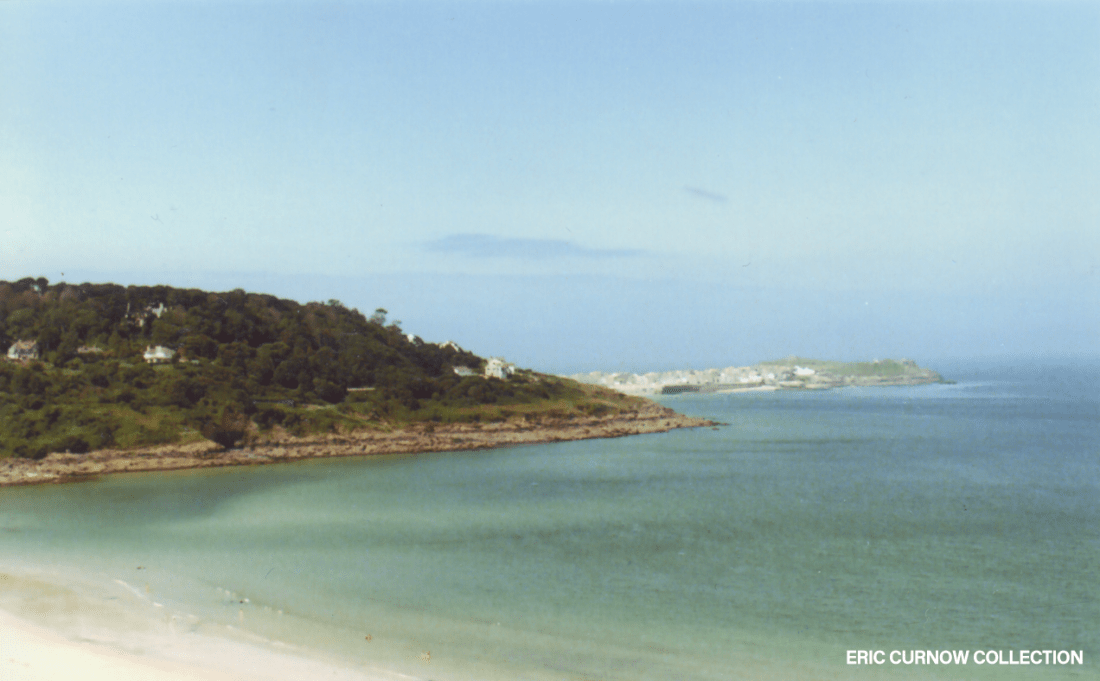 Beautiful Carbis Bay, looking NNE towards St Ives in 1982. The beach is wide, shallow and rock free, with shell sand – ideal for bathing. The railway line runs just below the tree line and above the raised beach remnants, and the bark of the DMU diesel motors and squeel of flanges on the curves in the quiet environment attracts attention frequently as a train passes. 820905A04-CBB-BEACH-VI__N
 A DMU passes through Carbis Bay, before rationalisation swept away this shelter, and the Station Building further up the hill behind behind. A temporary storage facility has been erected at the St Ives end of the platform. 640621A01-CBB-PLTFM-VIS_W
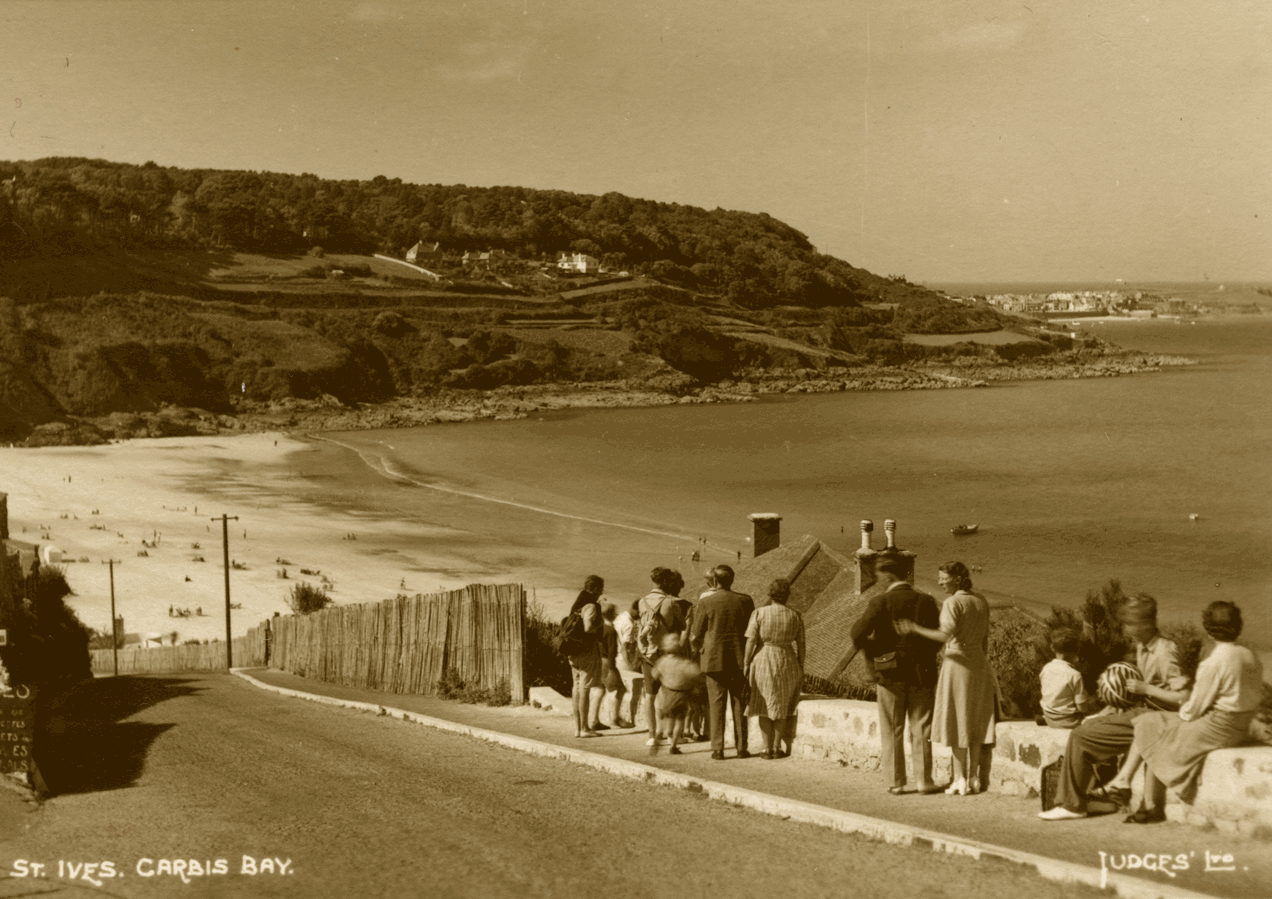 An experience that sticks in my memory is this steep hill down from Carbis Bay Railway Station to the beach – excitement, balls running away, relief in resting on this wall on the way up, etc. The undulation half way up the coast behind shows the course of the railway. 5####BR01-CBB-BEACH-VI_NW
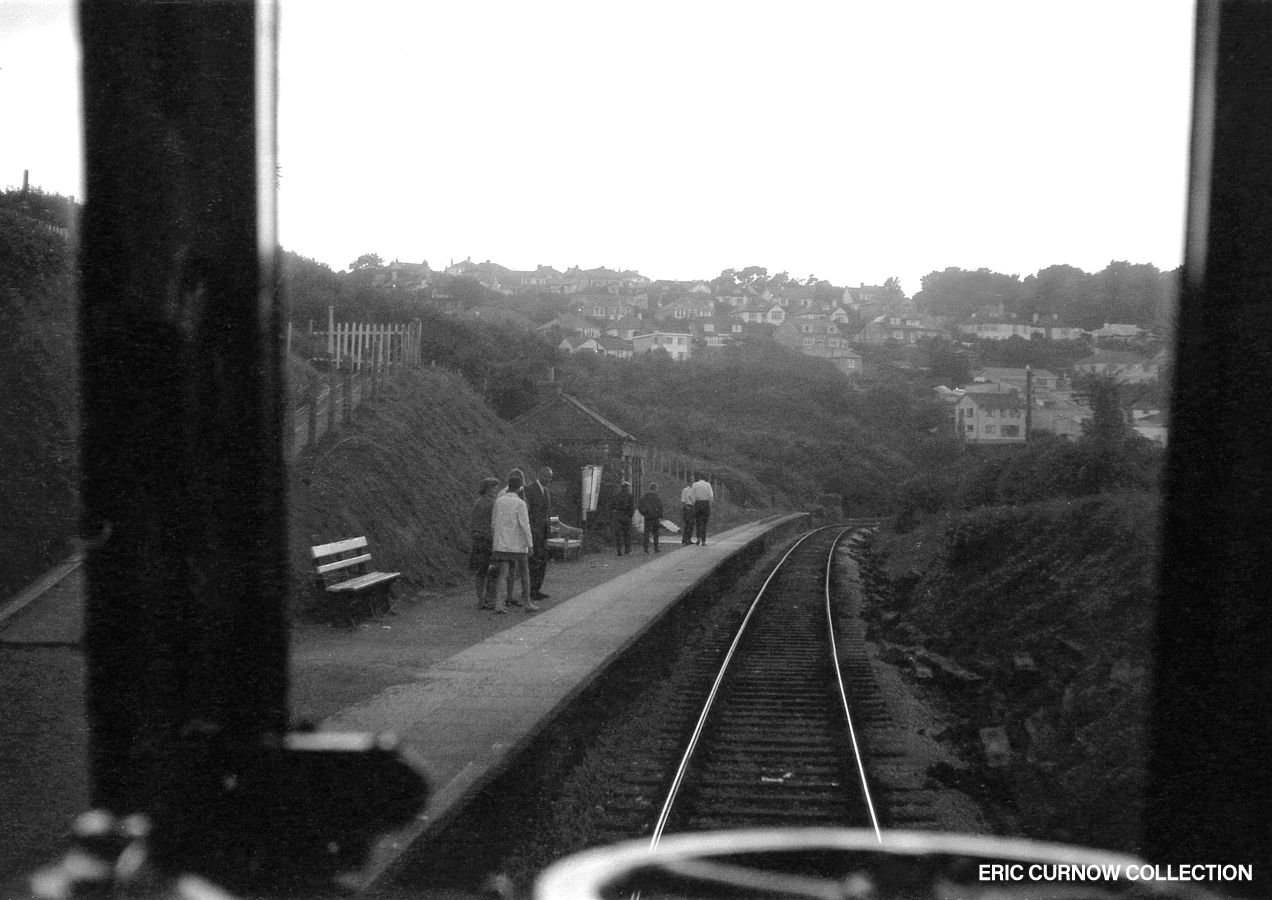 A view from the cab of a St Ives bound DMU shows people ambling along the platform to a better position to board. The shelter has lost its awning, the covered noticeboard is still beside it, and the temporary store at the foot of the far path down has been removed. 68###AA01-CBB-DMUX3-PAS_O
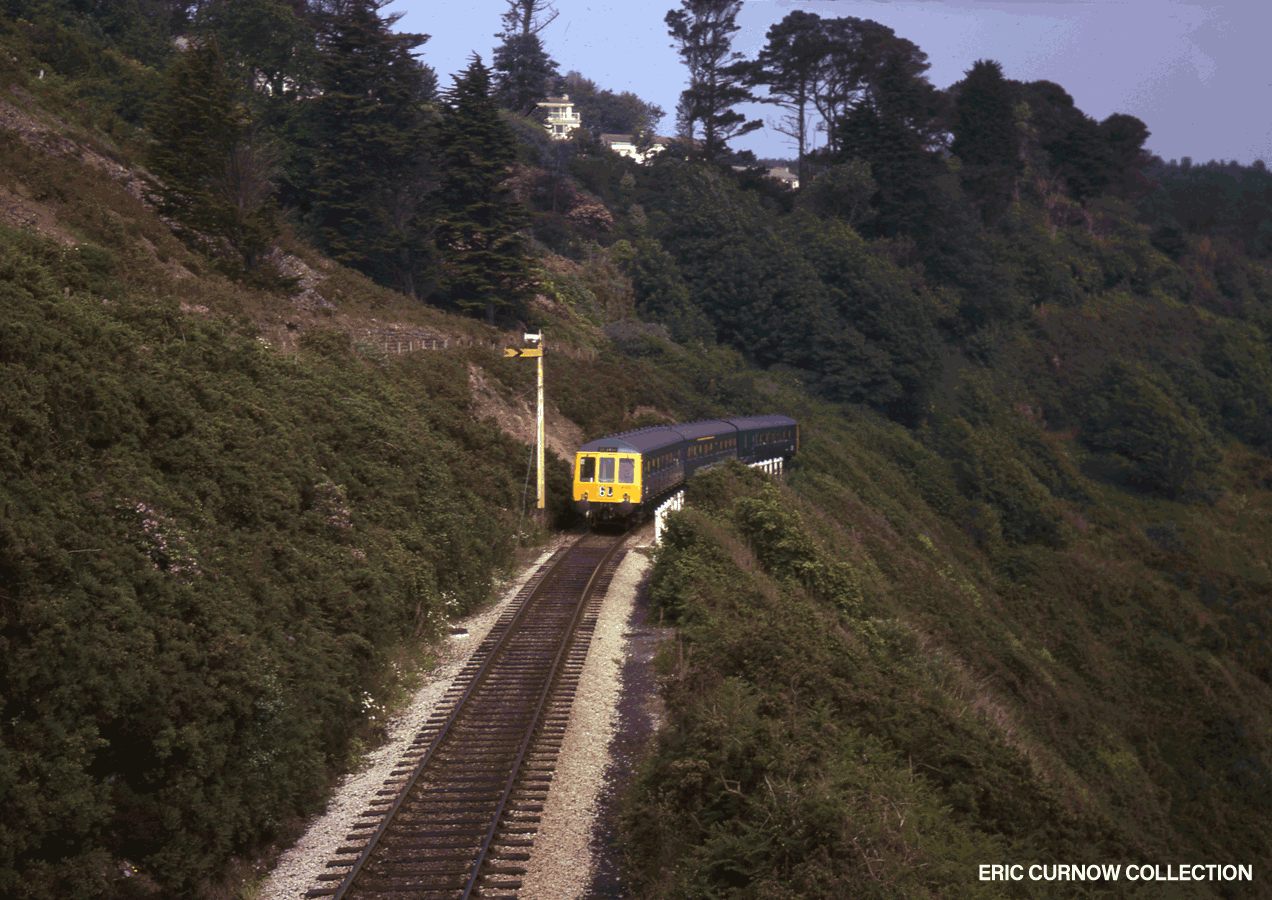 A 3-Car DMU set motors past the fixed distant signal across the pair of bridges to the west of Carbis Bay, viewed from that footbridge. As kids, we would see the train rounding the point from the beach, and try to race to the bridge before the train reached it. 74###AB01-CBB-DMUX3-PAS_I
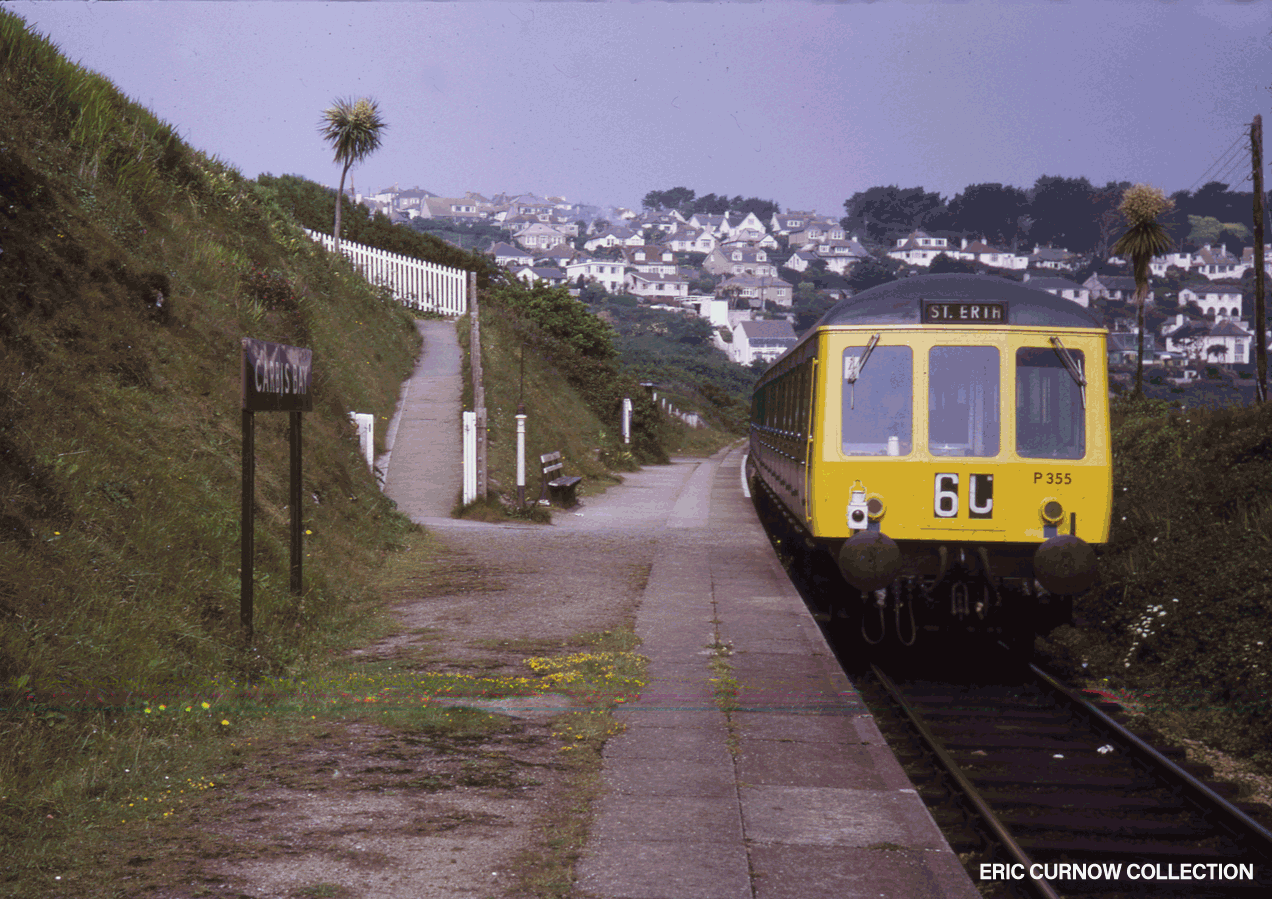 P355 is paused at a much rationalised Carbis Bay station. On the platform, the shelter and noticeboard have gone, but the maroon and cream sign board of 1950s origin is still in place. The Station Building at the top of the rising fenced path is also no more. 740615A01-CBB-DMUX3-PAS_O
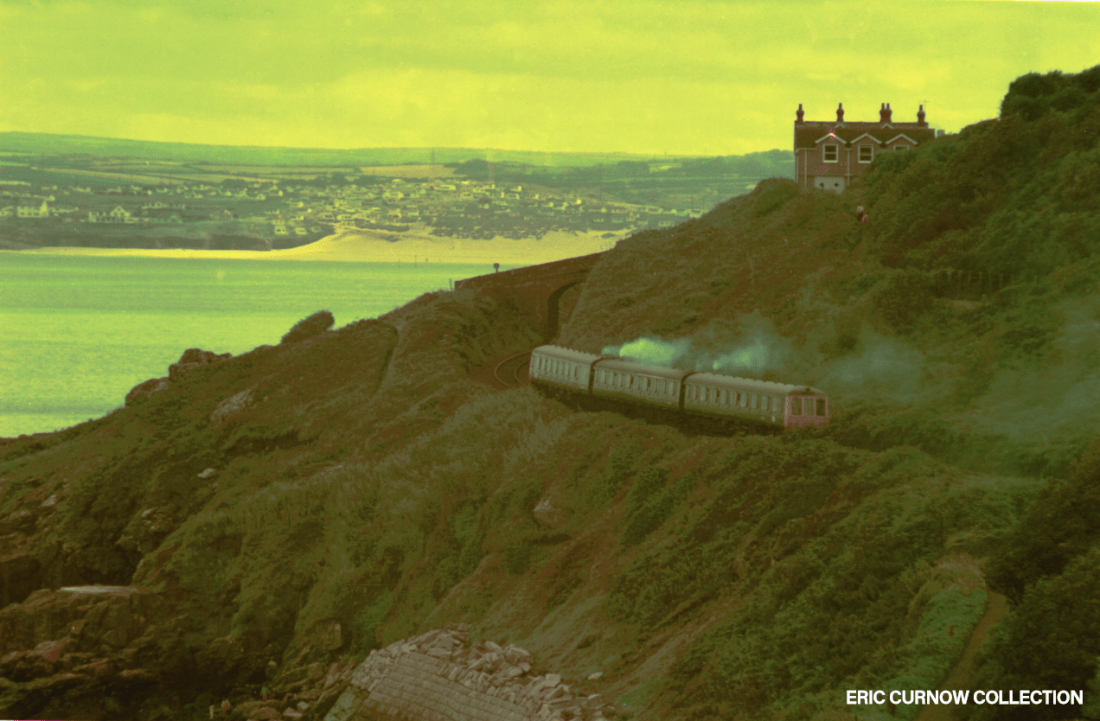
A telephoto shot of a scene familiar to me is taken in 1974 from St Ives of a departing 3-car Class 116 DMU, exhaust smoking away, about to pass under the overbridge at Porthminster Point. As there is very little on the seaward side of the bridge, it is a wonder such a structure exists, but presumably there was a dwelling there requiring one in times gone by. 74###AM01-SIV-3XDMU-PAS_I

Gently rocking as it nears the point at Carrack Gladden, 2-car unit P463 trundles slowly along, the schedule permitting plenty of time for travelers to take in the view, though marred by a mist, The water usually is of an exceptional colour along this stretch. 7####EZ01-CBB—P463-PAS_O
 This is a view from the train about two thirds of the way between St Erth and St Ives – the rock outcrop dividing Porthkidney Sands at the Hayle Estuary and Carbis Bay. This whole line in the 70s had marvelous views, until vegetation was not cut back each year. 780823A01-LEL-COAST-VI__N
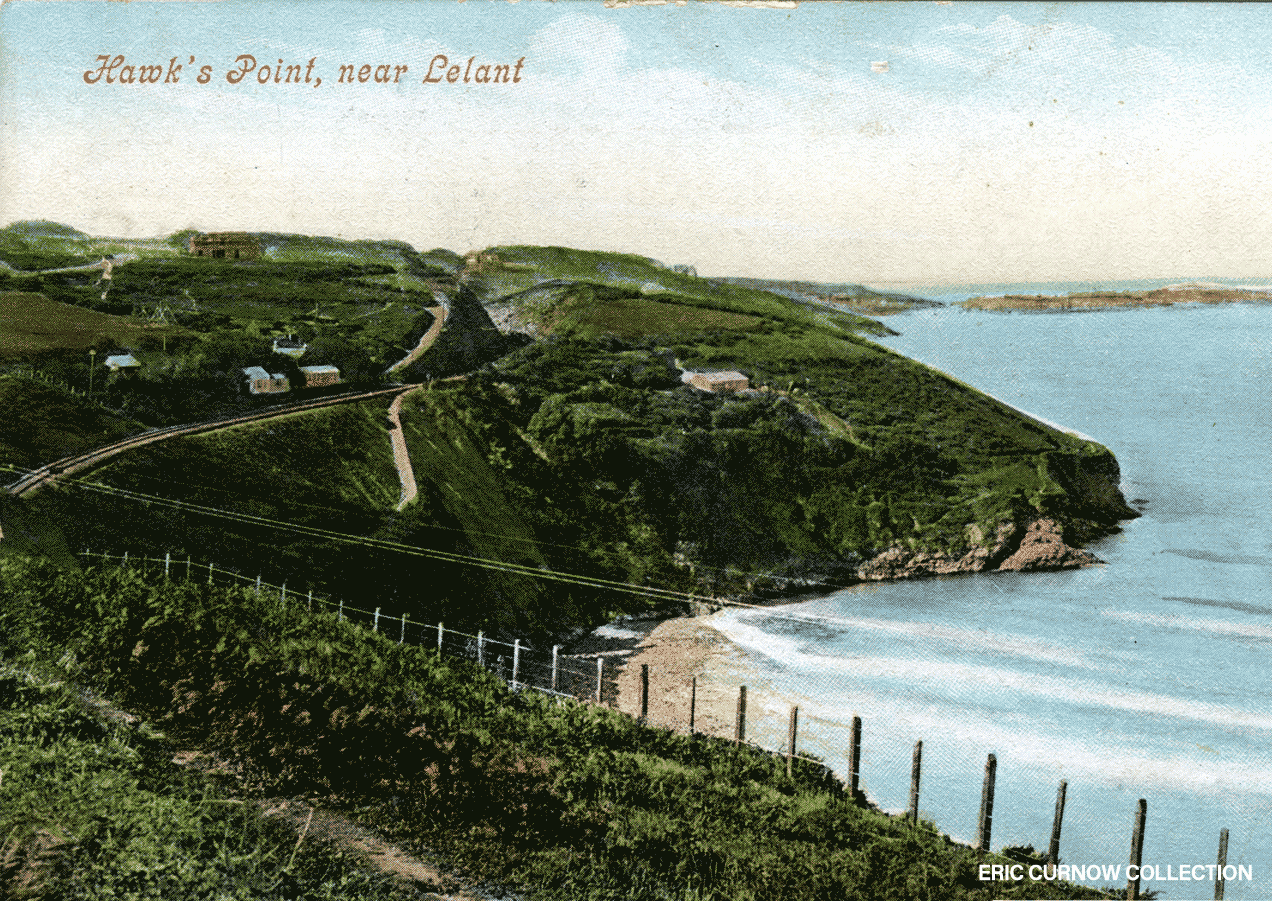
The huge cutting at Hawk’s Point between Carbis Bay and Lelant shows the difficulties of connecting St Ives with the main railway system. As is freequent on this stretch, the sinuous winding of the track and sheer drop to the water is accompanied by a footpath a mere few yards from the trackside fencing. 100810A01-CBB-TRACK-VI_NW
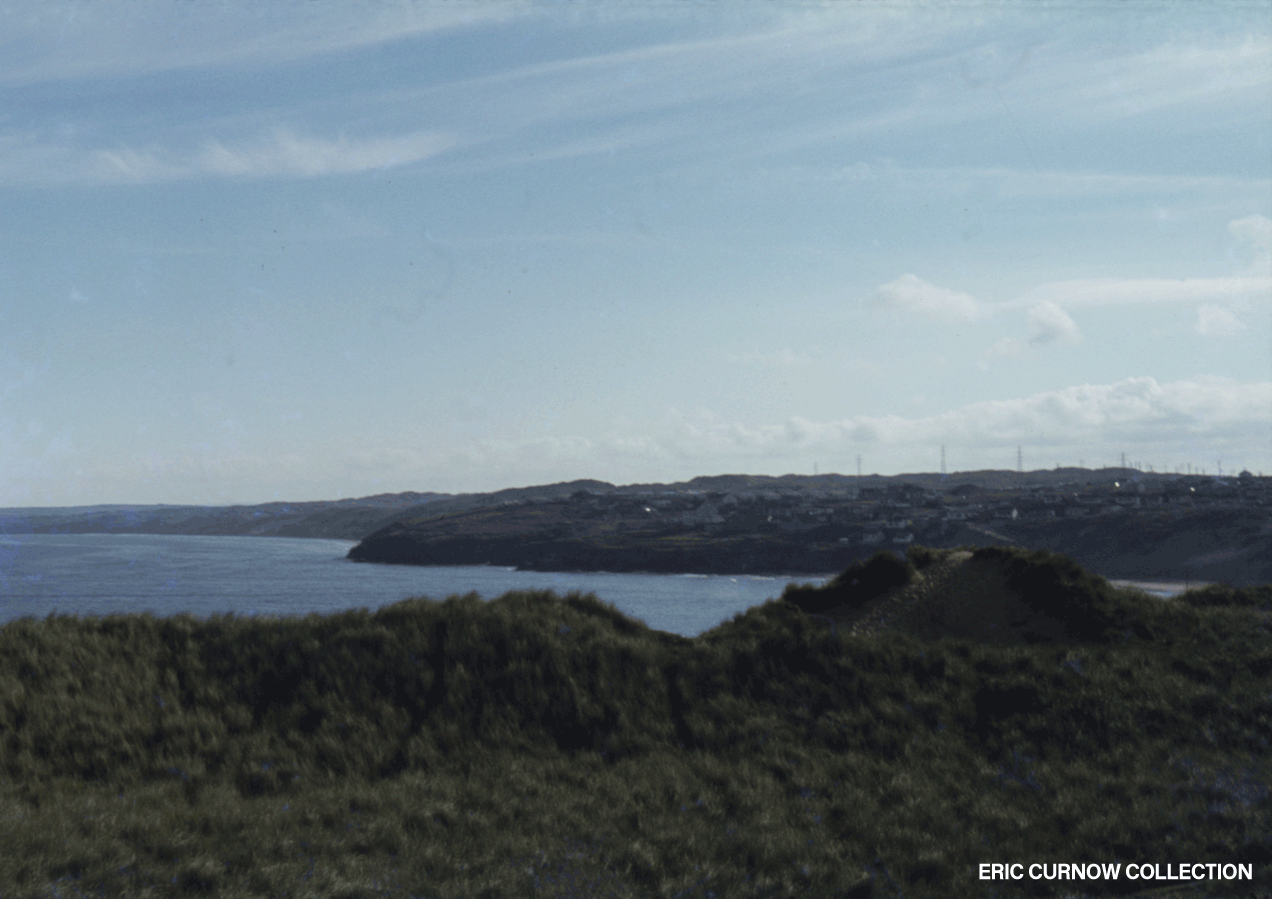 A 1978 view of the sand dunes across the estuary towards Hayle Towans from the branch train from St Erth to St Ives. Lelant has just been passed, and these dunes stretch for half a mile or so towards the terminus. Windows reflect light from holiday homes. 780823A02-LEL-COAST-VI__E
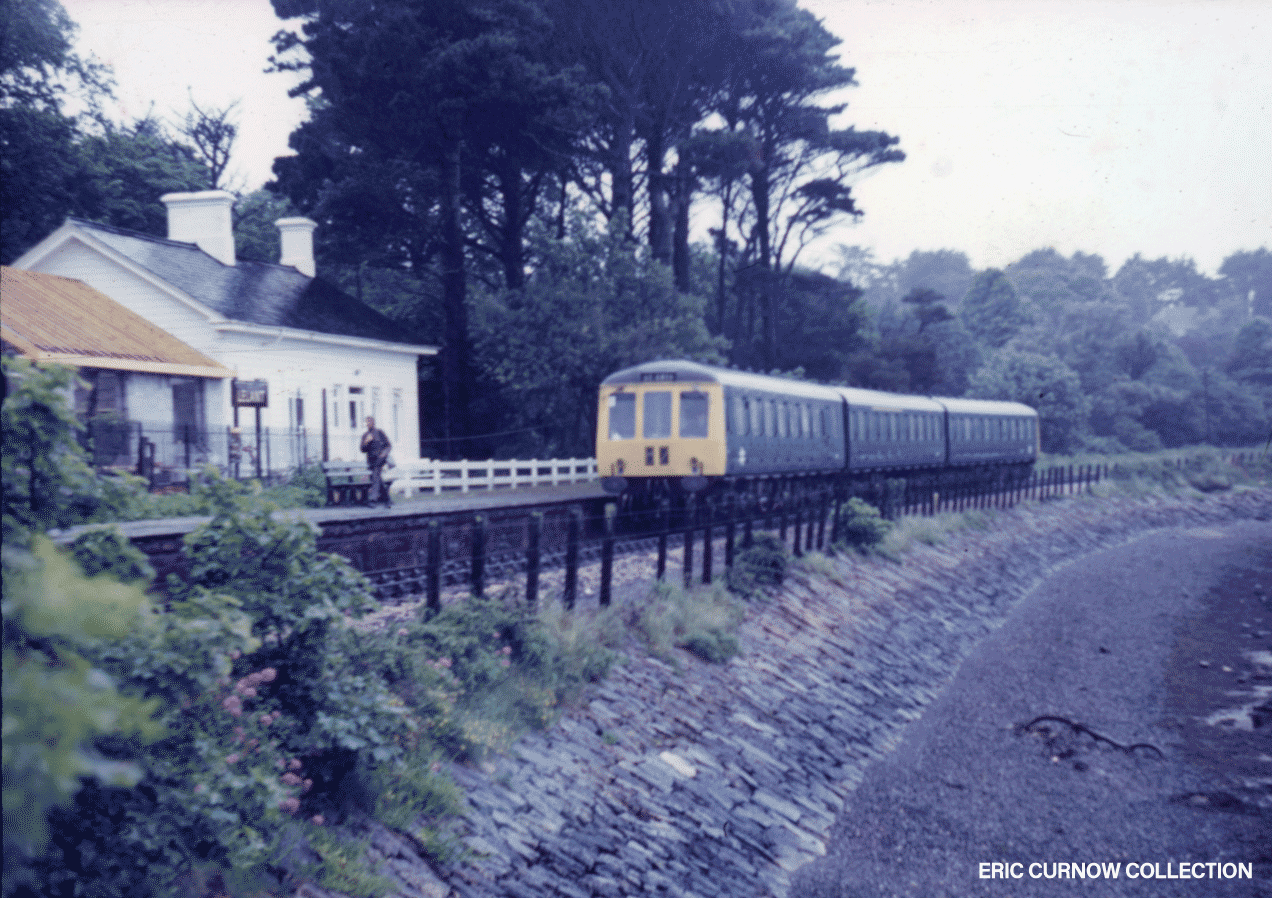 On a wet day, a 3-Car DMU throbs its way into the platform at Lelant as a potential passenger heads for the best position to board for exiting at St Erth. The Station House is in private hands, fenced off from the railway, and a new building is being erected beside it. 7####EE01-LEL-3XDMU-PAS_I
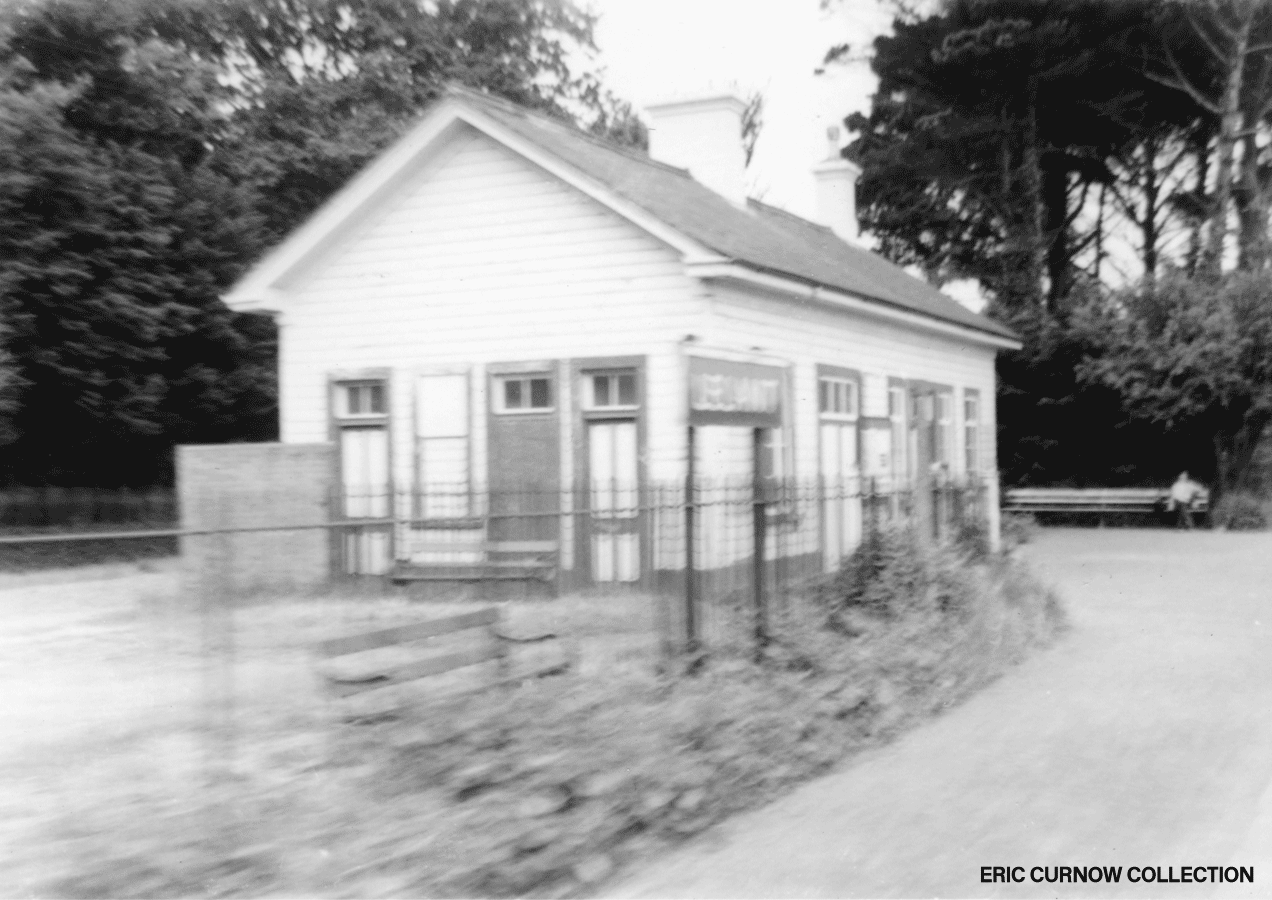 Presumably taken from a non-stopping DMU set, Lelant Station is passed at speed on 21st June 1964. Its large stark white expanse of woodwork made it seem more like a house, … which, of course, it eventually became when de-staffed and sold off. 640621A01-LEL-S_BLG-VI_NW

P460 in yellow Telecom promotional livery departs Lelant Station with the 14:37 train for St Ives on 1st May 1987 – worded on opposite sides, “It’s TELECOM on the line” and “making fast connections”. The station platform is partially overgrown with border vegetation, and the curve right behind the boats is the course of the former line to the western quay. 8####BI01-LEL–P460-PAS_O

Passengers make for the car park at Lelant Saltings Station – opened in the 70s as a “park and ride” facility to take road traffic away from St Ives – while a Swindon DMU in white and blue livery prepares to roll onwards up the slope to the main line at St Erth, The River Hayle estuary beside it, fringed here with gorse, is largelly untouched by development, and a magnet for waterfowl. 7####HT01-LEL-3XDMU-PAS_U
 The Eric Curnow Collection