The goods yard and carriage sidings of Ponsandane merged into Long Rock MPD at their eastern end; the depot featuring a four-road shed, repair shop, ancillary buildings and water tower/coaling stage. By the time I began to regularly visit they were in a dilapidated state, although a new roof was added to the two diesel road shed, and it – and occasionally the fitting bay – were still in use. The water tower was in poor shape with broken windows, pockets of sand and coal dust in every corner and rotten woodwork hanging free. I normally walked a loop from Penzance – out along the seaward side to a crossing and back via the shed along the road, normally crossing to the beach at Ponsandane. There would only be a short period that I couldn’t see the main line, and that gave insufficient time for an arrival to come in and leave again, so I didn’t miss anything. There was also the possibility of the occasional loco in the goods yard, too – I can remember classing my D8XX Warships (or those left in service) at one time with 850 “SWIFT” trundling towards the coal staves in the yard.
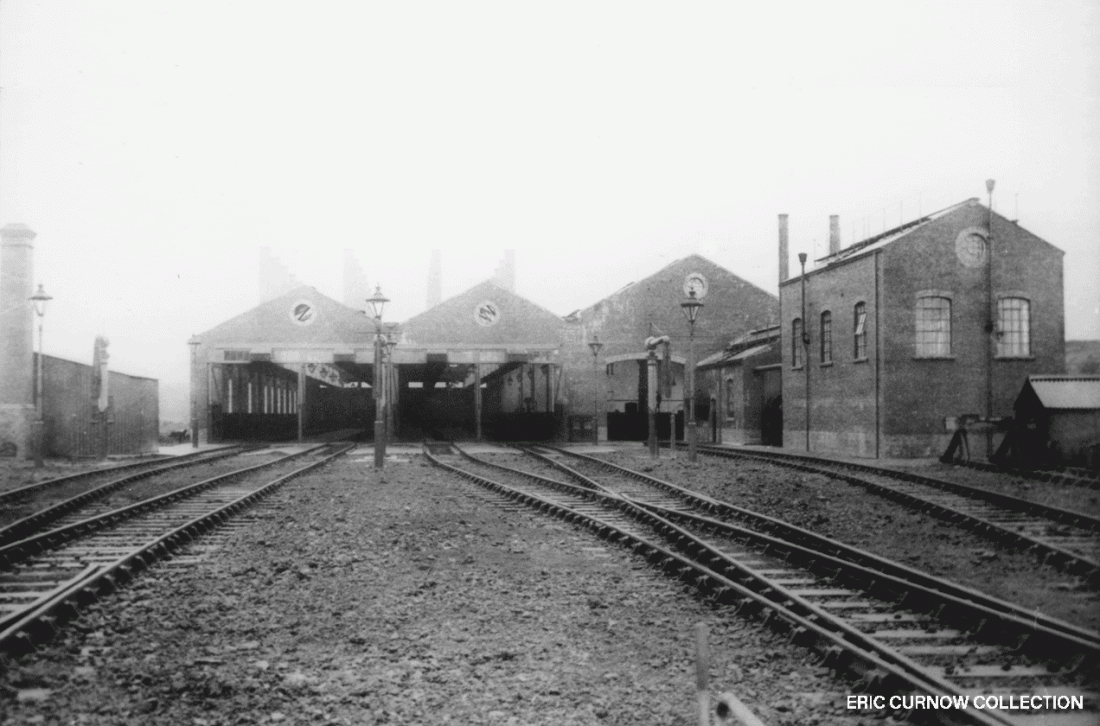 An empty Long Rock shed pictured in its earliest days. Lanterns hang throughout the shed that has glass roof panels as yet not grime covered. The downpipes on the Pump House have ventilators rising from them to carry away unwelcome smells. 2####AM01-LRK-DYARD-VIS_W
 Another view of Long Rock depot in the “changeover period” from steam to diesel, with now what seems to be a grounded wagon beside the entrance, supplementing the storage facilities . At least three steam engines are on shed – one emitting steam in the ‘Fitting Bay’, and a couple of open wagons are also parked up. The left two roads are still in use. 6####IF01-LRK-L_SHD-VI__W
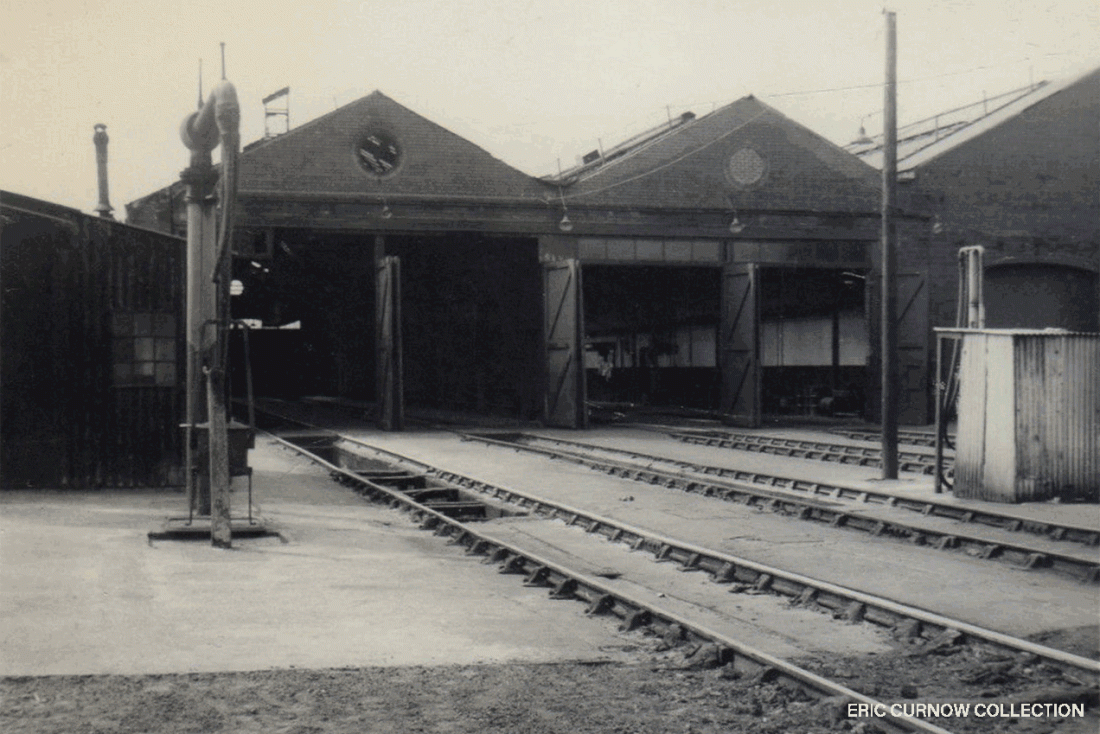 In the change-over period between steam and diesel, before the engine shed are both a water column and diesel pump. The diesel shed roof has lost its chimneys; has had the vent hole blocked off; and received some remedial work to the facade. 6####GM01-LRK-E_SHD-VI__W
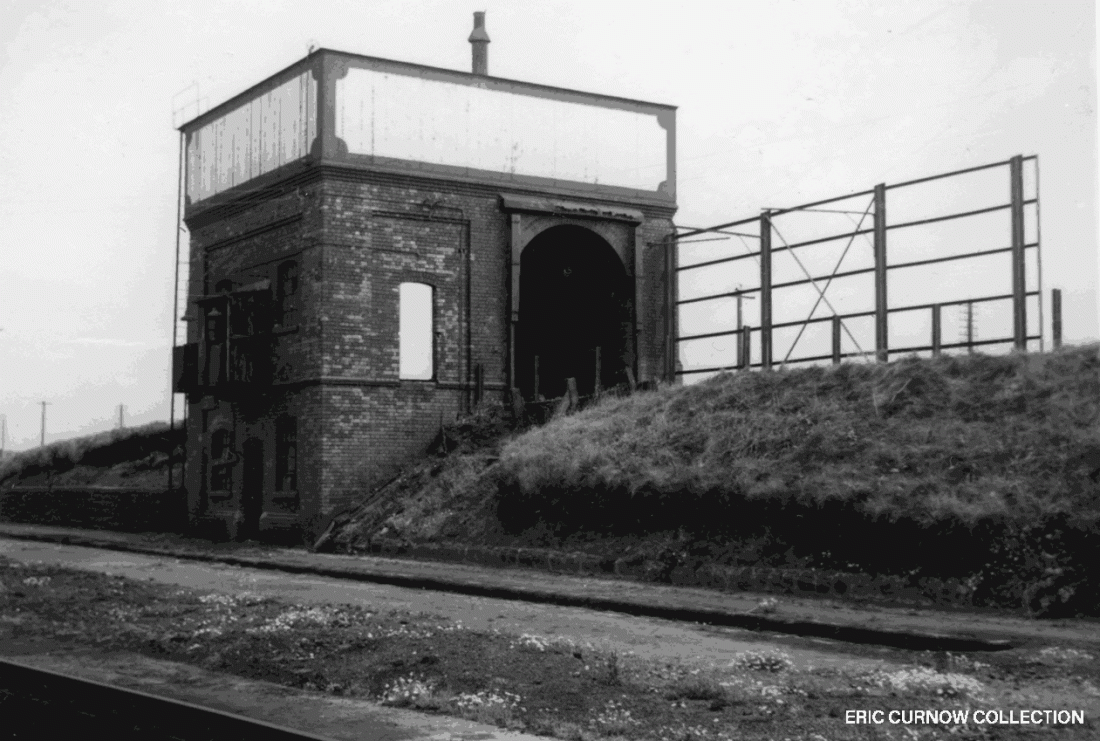 This is the water tower cum coaling stage to the east of Long Rock engine shed, now out of use and dilapidated. Parts of the mound have been excavated, and the structure for screening from the south westerlies is still in situ. Photo: D Stephens. #####AK01-LRK-WTR_T-VI_SE
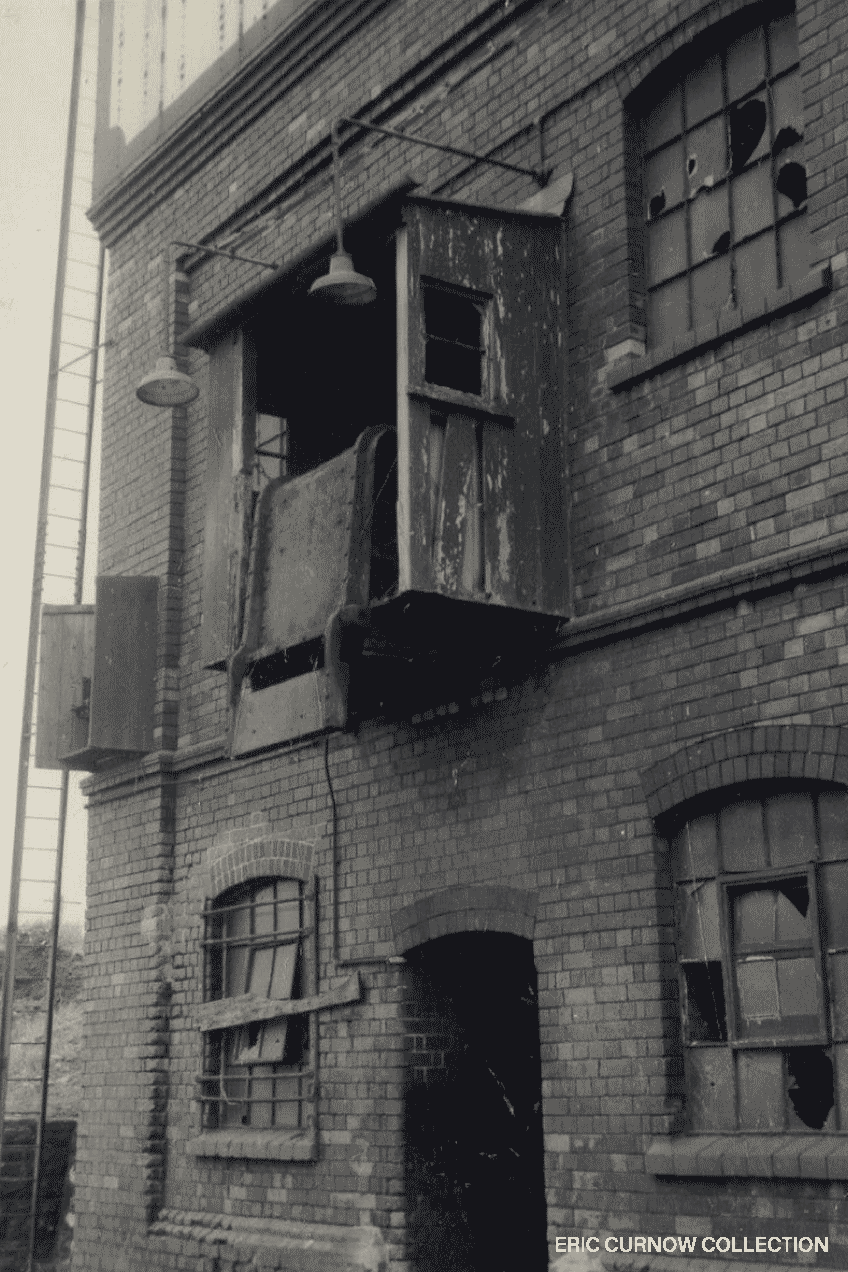 The north face of the coaling stage shows prolonged neglect that went on for years longer. The first story metal ‘drawbridge’ was dropped forward; a trolley of coal was run out onto it; and it was upended into the tender of the loco below. Photo: D Stephens. 6####AL01-LRK-WTR_T-VI_SE
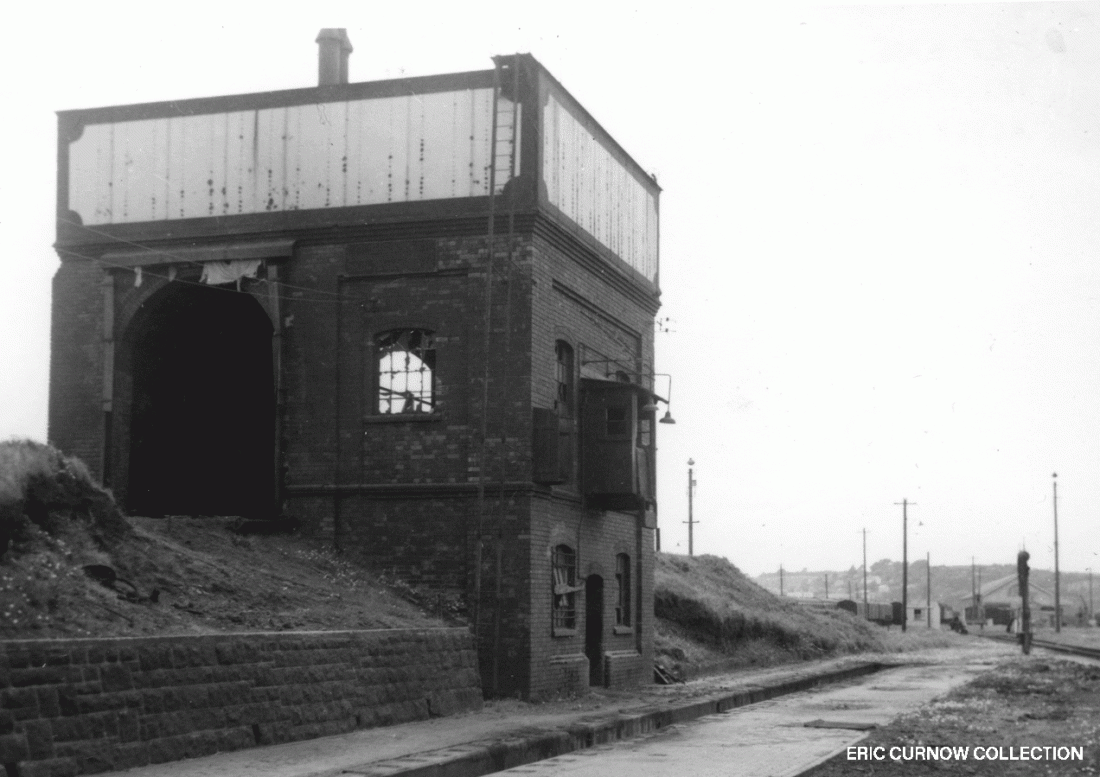 A westerly view of the water tower shows tattered remnants of the awning hanging from the arch, a glass-less window (presumably more vandalised because it was hidden from the gaze of shed staff), and a water column beyond it. Photo: D Stephens. 6####AM01-LRK-WTR_T-VI__W
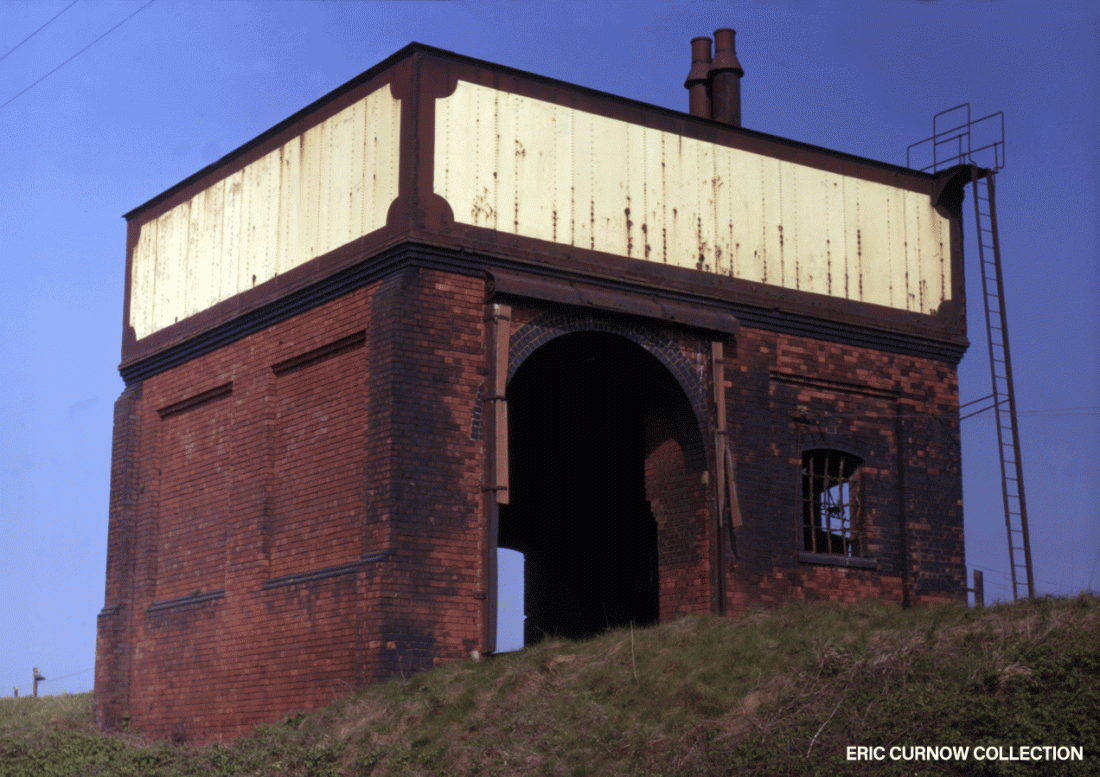
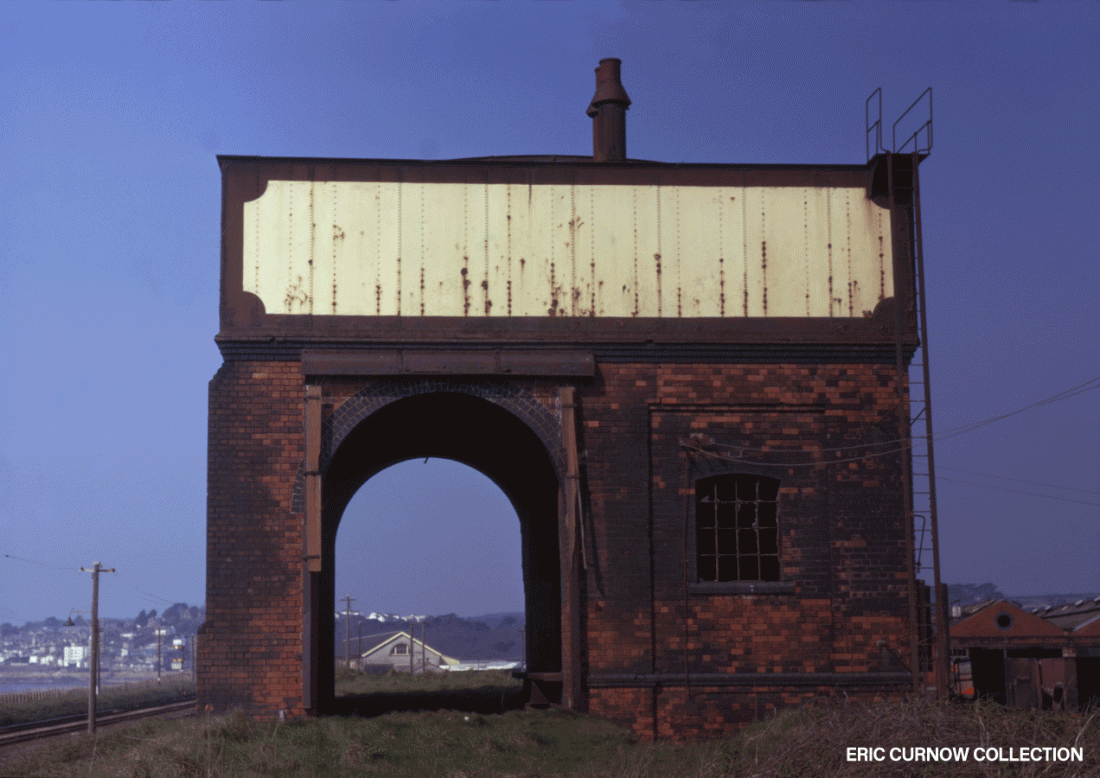
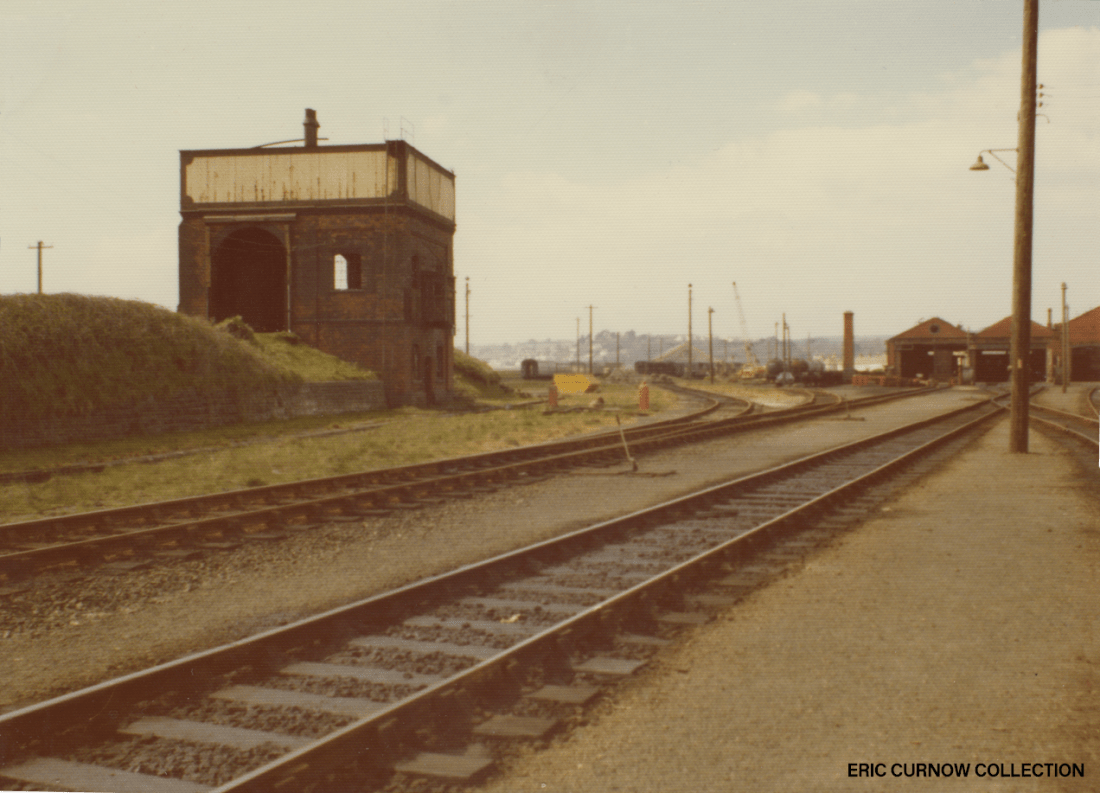
Part of the curved stantion above the Water Tank has been removed, there is a crane in the background, and nearby are gas bottles for cutting metal and a skip. The depot building looks empty and forlorn, though doubtless locomotives were still visiting as there are still fuel tankers, and oil drums not far away, and no temporary access track runs across the other side of the mound. 7604##A02-LRK-L_SHD-VI__W
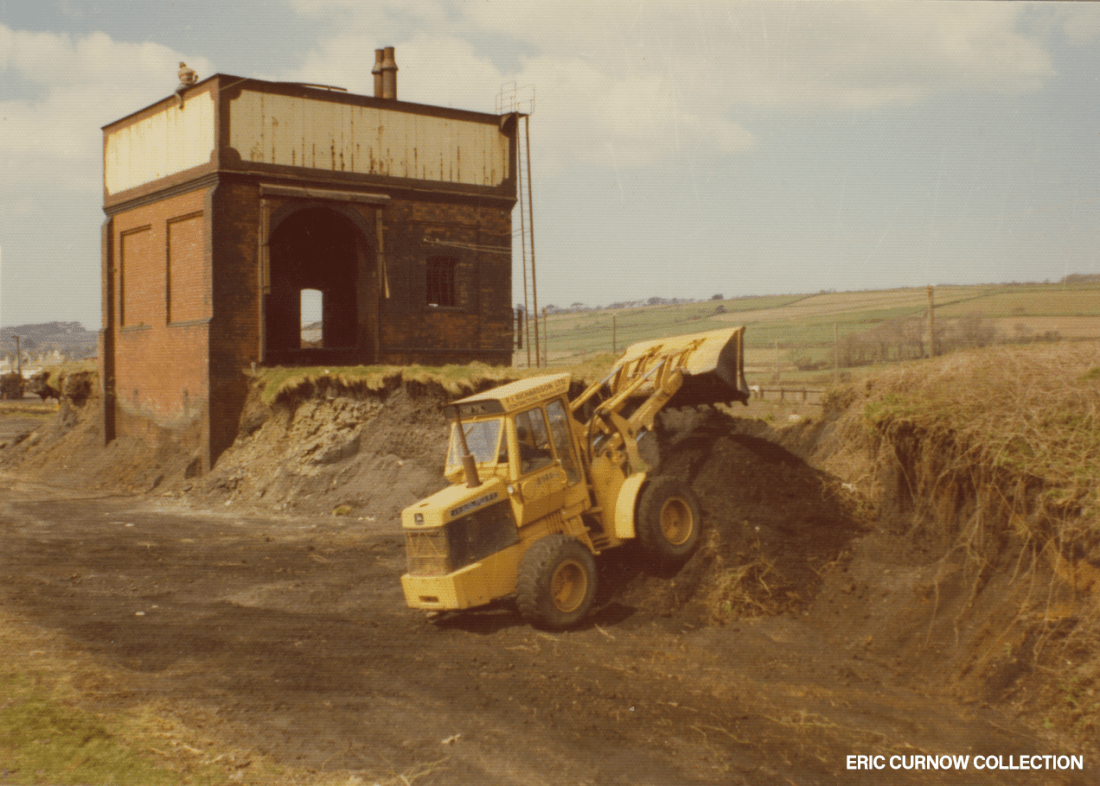
A workman sits precariously on the Water Tank wall, cutting stantions prior to demolition while a digger continues to gouge away at the access road mound beside it. I had often wondered what was below grass level, and was a bit surprised that it was only earth, though the material closest to the building seems to consist of something more substantial – possibly rubble. 7604##A01-LRK-DIGGR-WORKG
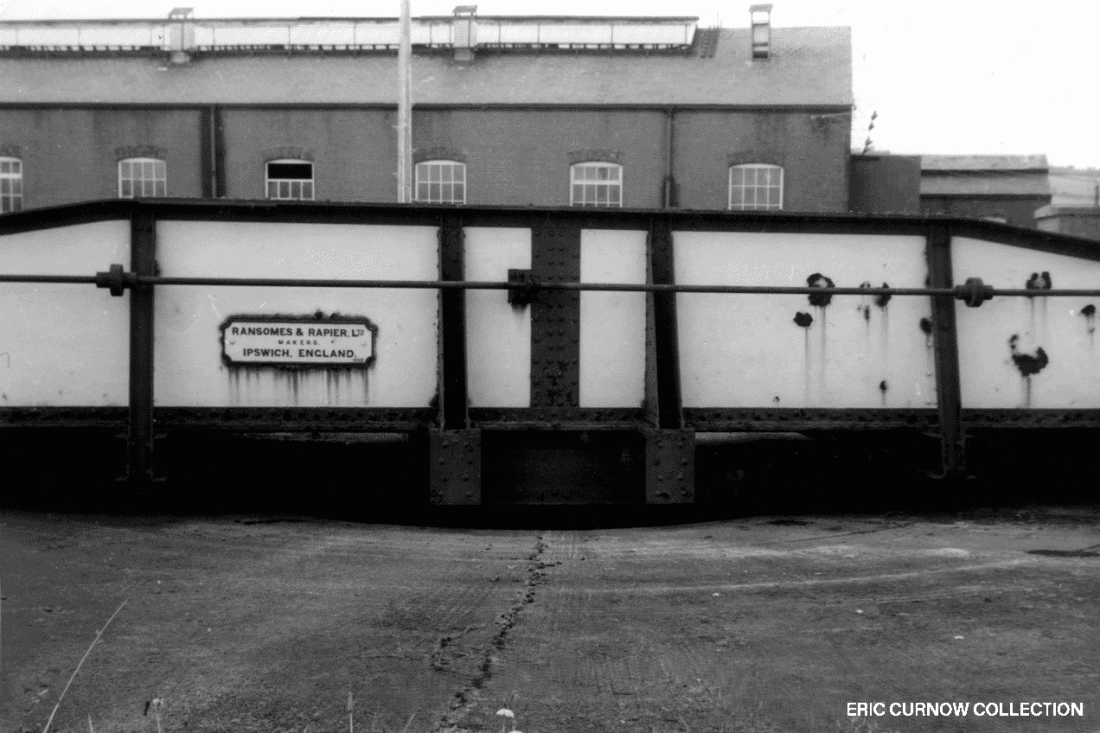 A close-up of the side of the turntable on Long Rock depot situated between the building and the main line. Rust trails run down the fairly recently painted metal sheets, and an expansion crack has opened up on the apron. Photo: D Stephens. 6####AN01-LRK-TURNT-VI__N
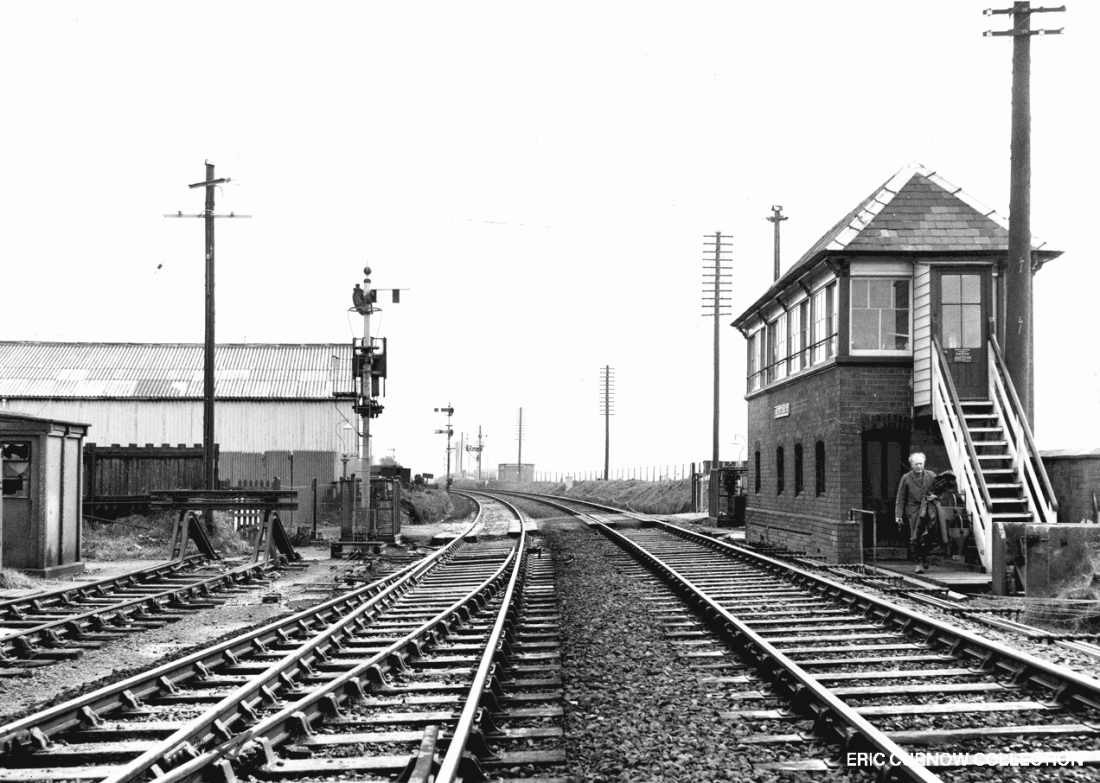 The mainline looking east across Long Rock crossing, with a phalanx of signals and telegraph poles and a signalman with oilskins and wellington boots. In the background is the toilet block which I found useful on many occasions(!). 6103#AA02-LRK-CRSNG-VI__E
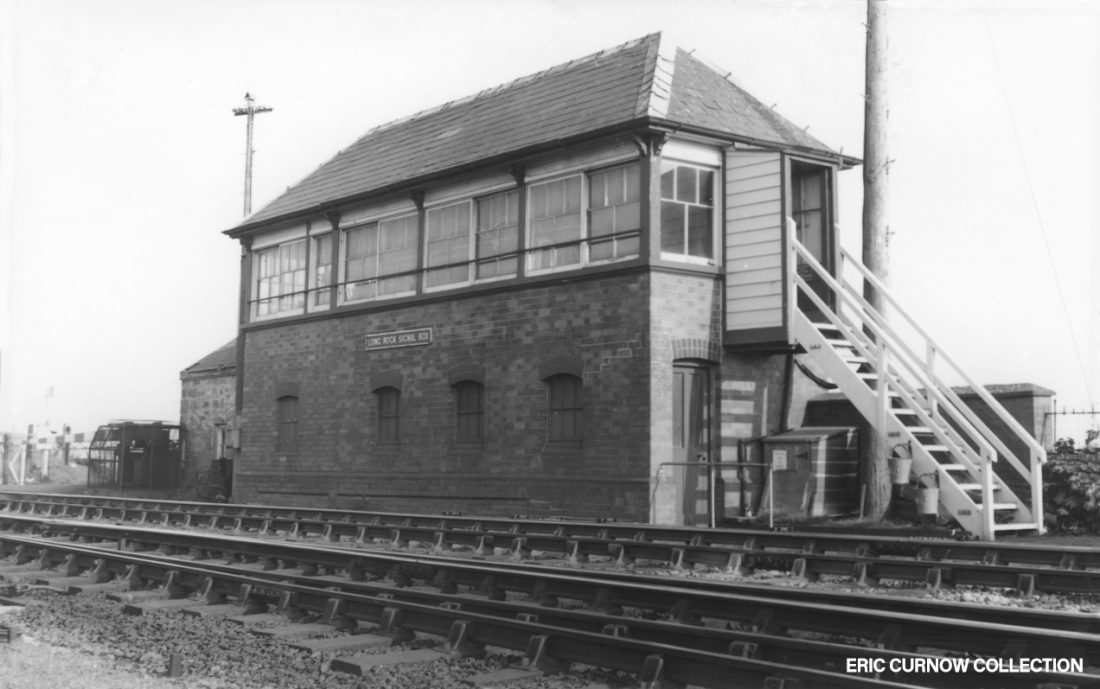
Long Rock Signal Box in the early 1960s after the crossing gates had been replaced by lifting barriers. The paintwork has been recently attended to, and although the building is old and “tired”, it seems quite serviceable – unlike the ancillary building behind to its left. It’s width corresponds to the number of levers it had, watching over the depot and main line. 6####IZ01-LRK-S_BOX-VI_SE
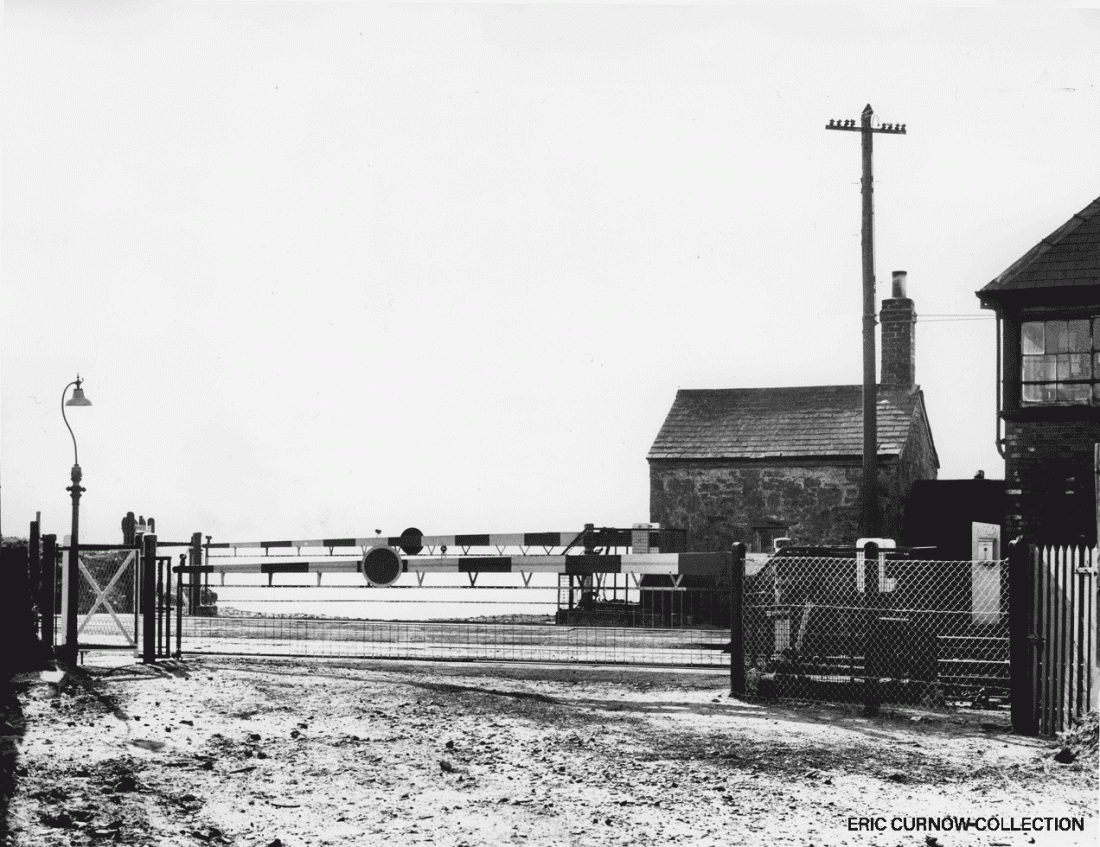 Newly erected and painted crossing furniture jostles with dirty, unkempt buildings and an Edwardian-style cast iron lamp post, at Long Rock Crossing. This crossing was always prone to wind-blown sand incursion across it for some distance down the road. 610322A01-LRK-CRSNG-VI_NW
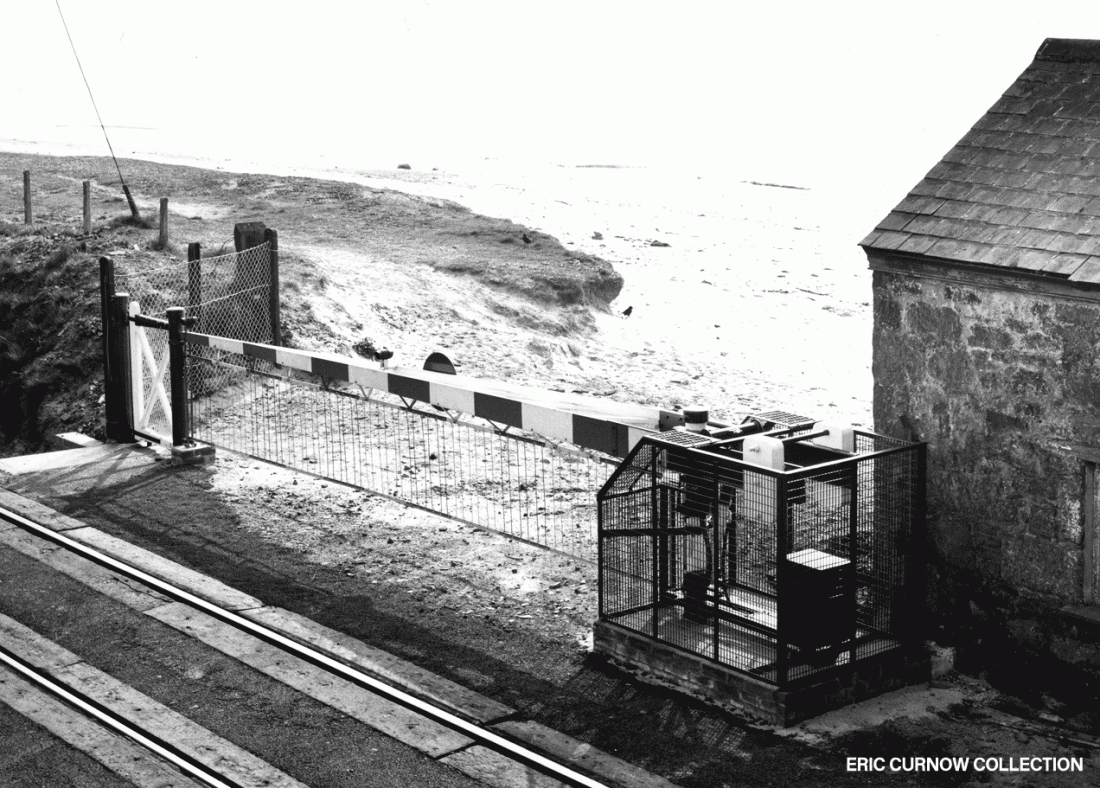
Taken from the top of the signal adjacent, this seaward view of Long Rock crossing includes the grass covered dunes beyond. Chain-link fencing supported on cast iron uprights plug the barrier gaps, and sleepers with tarmac cover the tracks. 610322A02-LRK-CRSNG-VI_SE
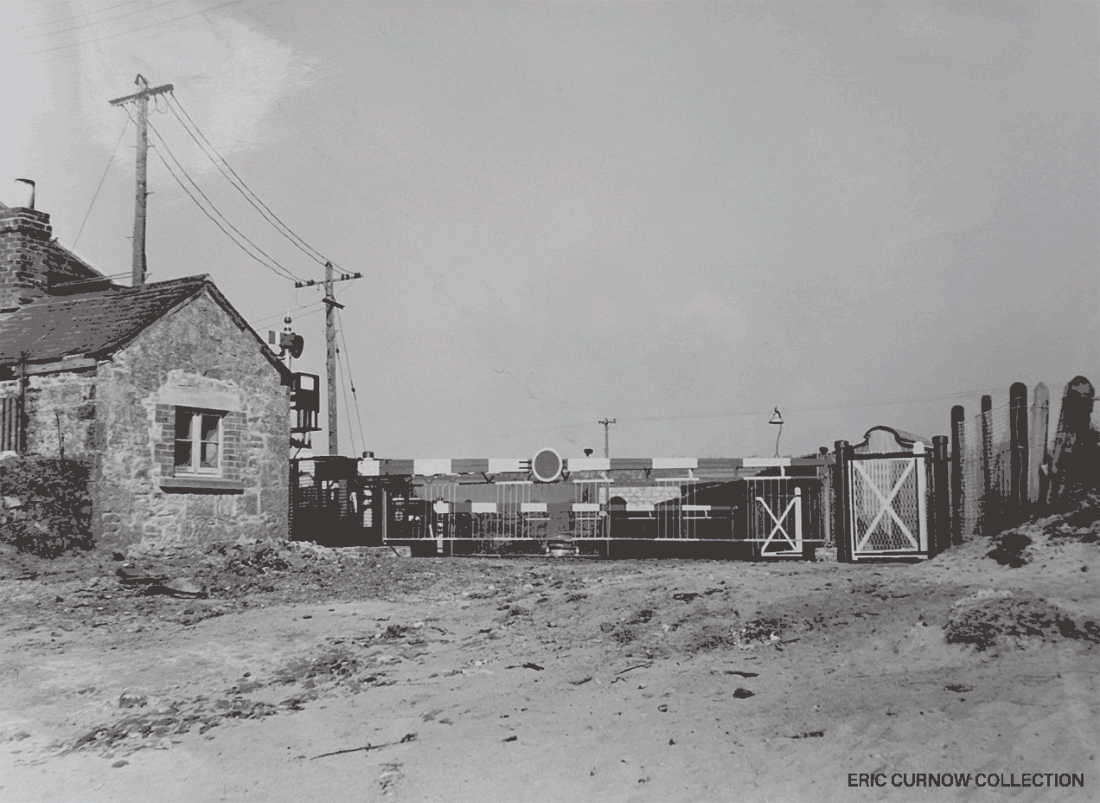
The scene north across Long Rock crossing, taken with barriers lowered. I can remember rhubarb growing in the overgrown garden behind the little building’s cornish “hedge” (i.e. vegetation-topped wall), to the left – all long gone. 610322A03-LRK-CRSNG-VIS_S
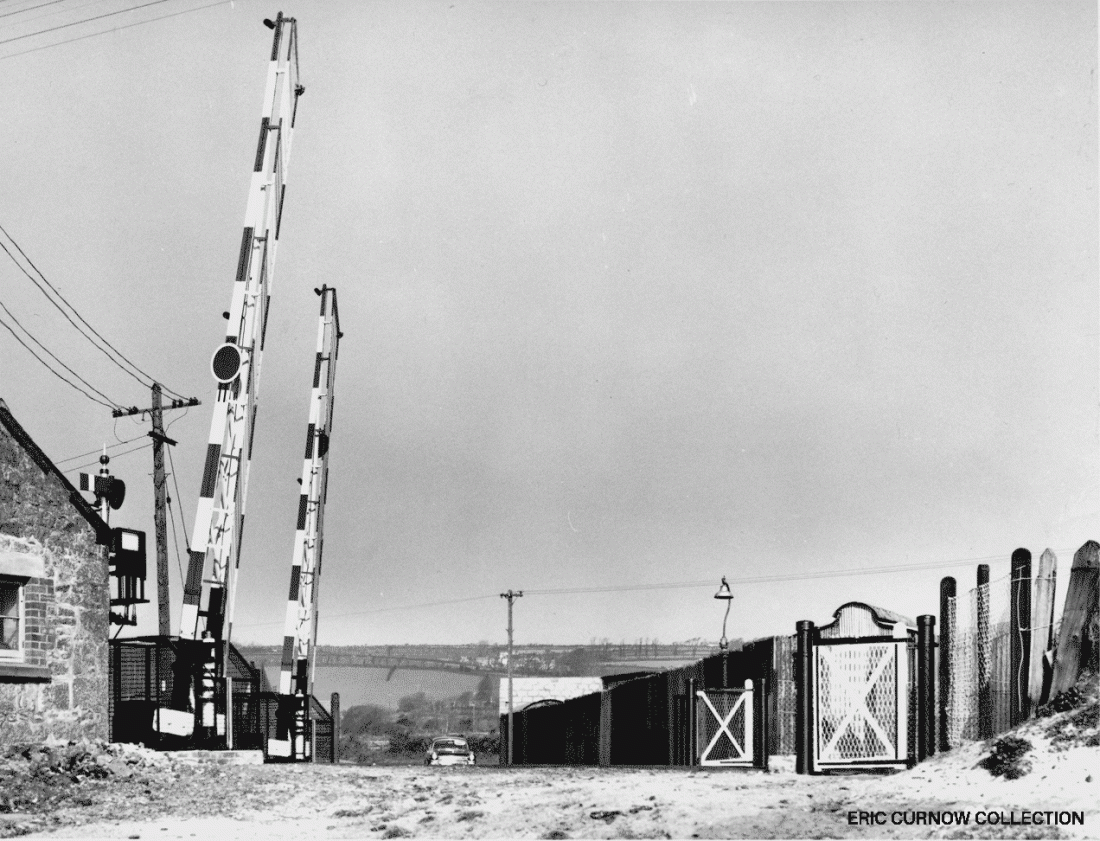 Long Rock crossing looking north after being fitted with lifting barriers. Smart new paint has been spread around, and telegraph wires from the sheds cross the line to the Box. Even the depot entry signal seems to have been repainted for the occasion. 610322A04-LRK-CRSNG-VI__N
 The Eric Curnow Collection